Flesh-eating bacteria devour man's arm and leg in just three days
Ars Technica ·
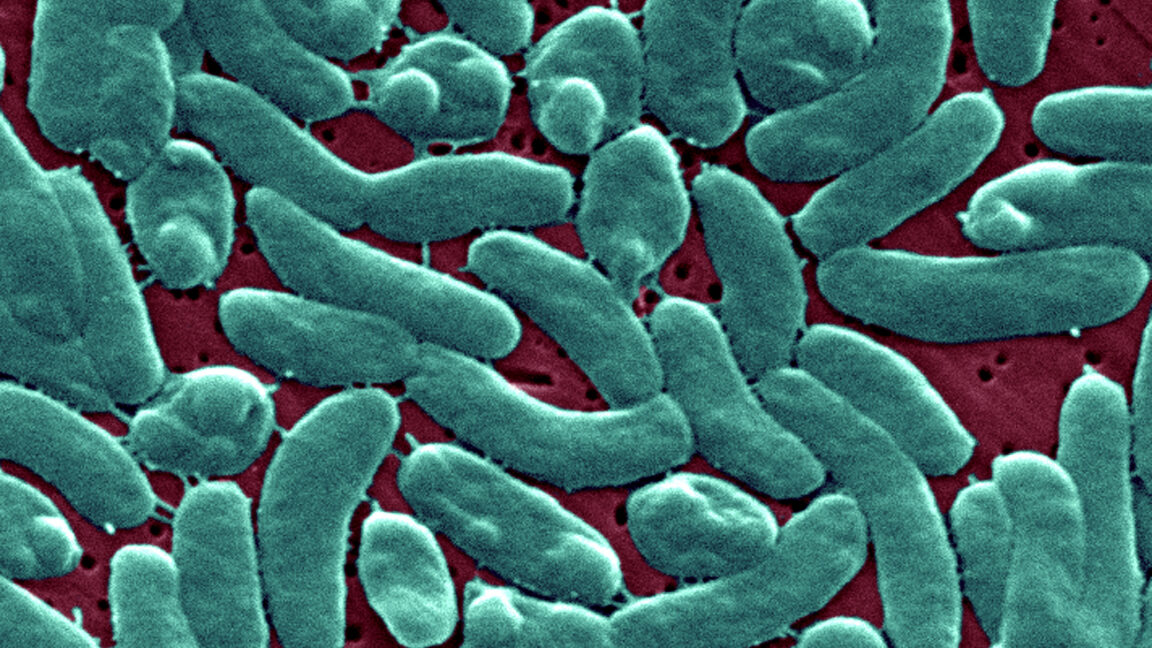
Deadly threat These bacteria have a large arsenal of molecular munitions, including various toxins, that all help the bacteria hijack cells, siphon nutrients, degrade structural proteins, break down …
Deadly threat These bacteria have a large arsenal of molecular munitions, including various toxins, that all help the bacteria hijack cells, siphon nutrients, degrade structural proteins, break down tissue linings, make blood vessels leaky, fuel destructive inflammation, suppress immune defenses, and generally lay waste to their victims. The overall mortality rate of V. vulnificus infections is about 35 percent. But for anyone infected who also has an immunocompromising condition or a liver condition, mortality reaches 50–60 percent. Likewise, for those who develop sepsis—a life-threatening reaction to an infection—mortality is also about 50 percent. For patients like the man in this case, if antibiotics or surgical removal of necrotic tissue is delayed, mortality jumps to 100 percent. In this case, the man did not die. But his right leg was so far gone by the time he reached the hospital that he needed to have it amputated above the knee. His forearm, meanwhile, required extensive skin grafting, which was collected from elsewhere on his body. After an antibiotic regimen and six months of healing, doctors reported that he had healed well. The case highlighted that the threat of V. vulnificus is only increasing amid climate change, and medical experts see its rise as an urgent public health concern. Warming waters, geographic spread, and increases in antibiotic resistance are increasing risks. Between 1998 and 2018, US cases of V. …
Original source: Ars Technica
Mentioned
Maine · New Hampshire · Massachusetts · Centers for Disease Control and Prevention