Want to know my secret for learning the night sky? Welcome to sidewalk stargazing
Space.com ·
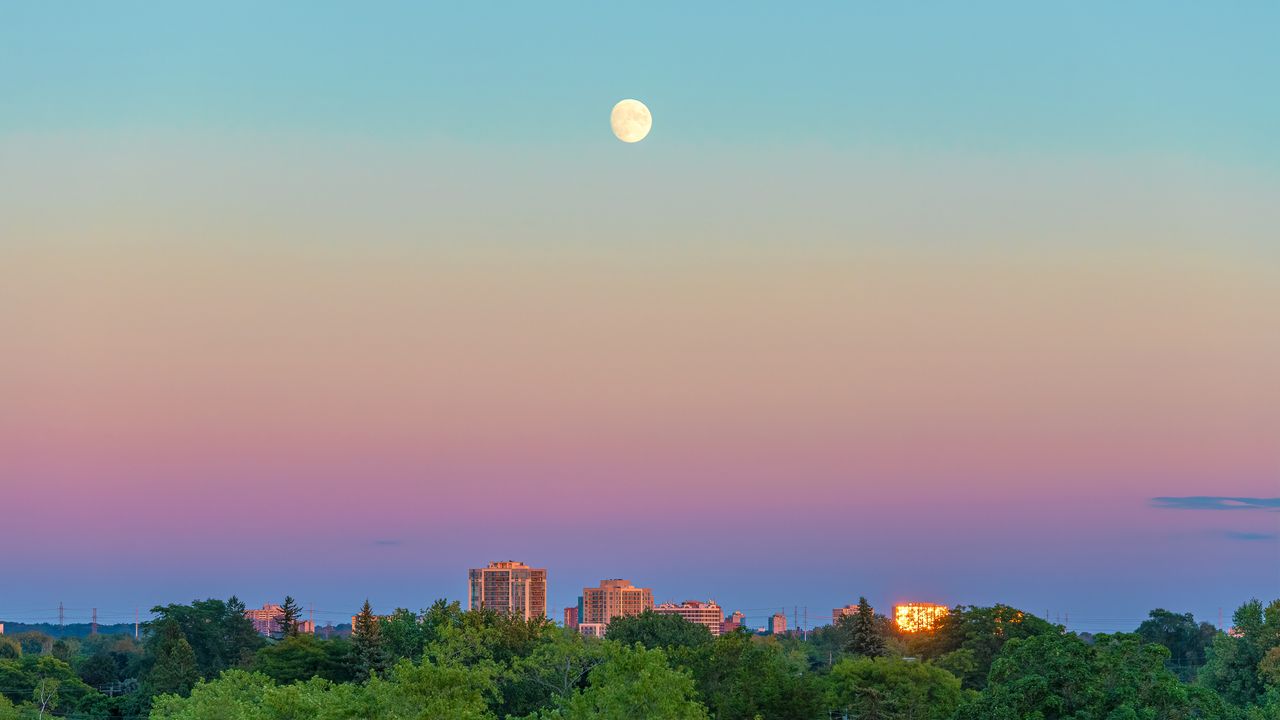
Serious stargazing requires planning, right? A dark-sky site, a heavy telescope, a warm jacket. A long drive home. It really doesn't have to be this way. …
Serious stargazing requires planning, right? A dark-sky site, a heavy telescope, a warm jacket. A long drive home. It really doesn't have to be this way. Sure, light pollution maps , Dark Sky Places and Dark Sky Discovery Sites are a stargazer's friend, but don't let a desire for ultimate darkness stop you from connecting with the night sky from anywhere you happen to be. My favorite places to stargaze aren't necessarily my usual observing spots. If you only wait until you're under a truly dark sky to go stargazing, and you'll likely be hopelessly disoriented and unprepared. However, if you've been topping up your knowledge with micro-sessions — even if it's just the position of the brightest stars and constellations — you'll already recognize its structure. When you finally get a dark sky, you'll be ready to go deeper. The best preparation is to disorient yourself as much as possible and figure out what you're looking at. Being without the familiar landmarks and usual sightlines of your backyard means working out where everything is. The night sky can be navigated and known, but only by those who don't waste any opportunity to look up. What's happening and when to look This week is ideal for a sidewalk stargazing session with the solar system. Any dusk this week — perhaps when you're on the way to or from a yoga class, a restaurant or out walking the dog — look west after sunset for a trio of easy sights. The simplest is the moon , high in the south. …
Original source: Space.com
Mentioned
Lion · Venus · Jupiter · Flower Moon · Spring Triangle