What counts as the woods? Judge axes Nova Scotia’s ban that defied ‘commonsense definitions’
The Guardian World ·
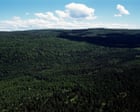
As wildfires raged across Nova Scotia last summer, the Canadian province made a simple plea to residents: stay away from the woods. …
As wildfires raged across Nova Scotia last summer, the Canadian province made a simple plea to residents: stay away from the woods. As the situation deteriorated, authorities turned the request into a prohibition : anyone caught hiking under the shade of the forest canopy faced a C$25,000 fine – a figure more than half the average worker’s yearly salary. But exactly the emergency rules considered to be “the woods” was a challenge better suited to a philosopher than a confused hiker in a parking lot. Rock barrens, scrubland or marshes were all considered “woods”. So too was forest – but the presence of actual trees wasn’t necessary, just evidence they had once been there. Residents could still travel as long as it wasn’t “any great distance” through the woods. “Someone who wanted to stay out of the woods had to put in some interpretive effort,” a judge recently declared . “The government just wanted people to use common sense. But the ban seemed to defy commonsense definitions.” Last week, that same judge found the controversial ban wasn’t just confounding, it also violated Canada’s charter of rights and freedoms. And while the Nova Scotia supreme court acknowledged the urgency of the wildfire crisis, it warned that if individual rights aren’t protected, “they can be eroded in a way that eventually affects everyone”. The chain of events, which ended in a scathing critique of government overreach, began last summer when the province was engulfed in flames. …
Original source: The Guardian World
Mentioned
United States Supreme Court · Magna Carta · England · Houston