Preserving pollinators is good for health -- and income
NPR News ·
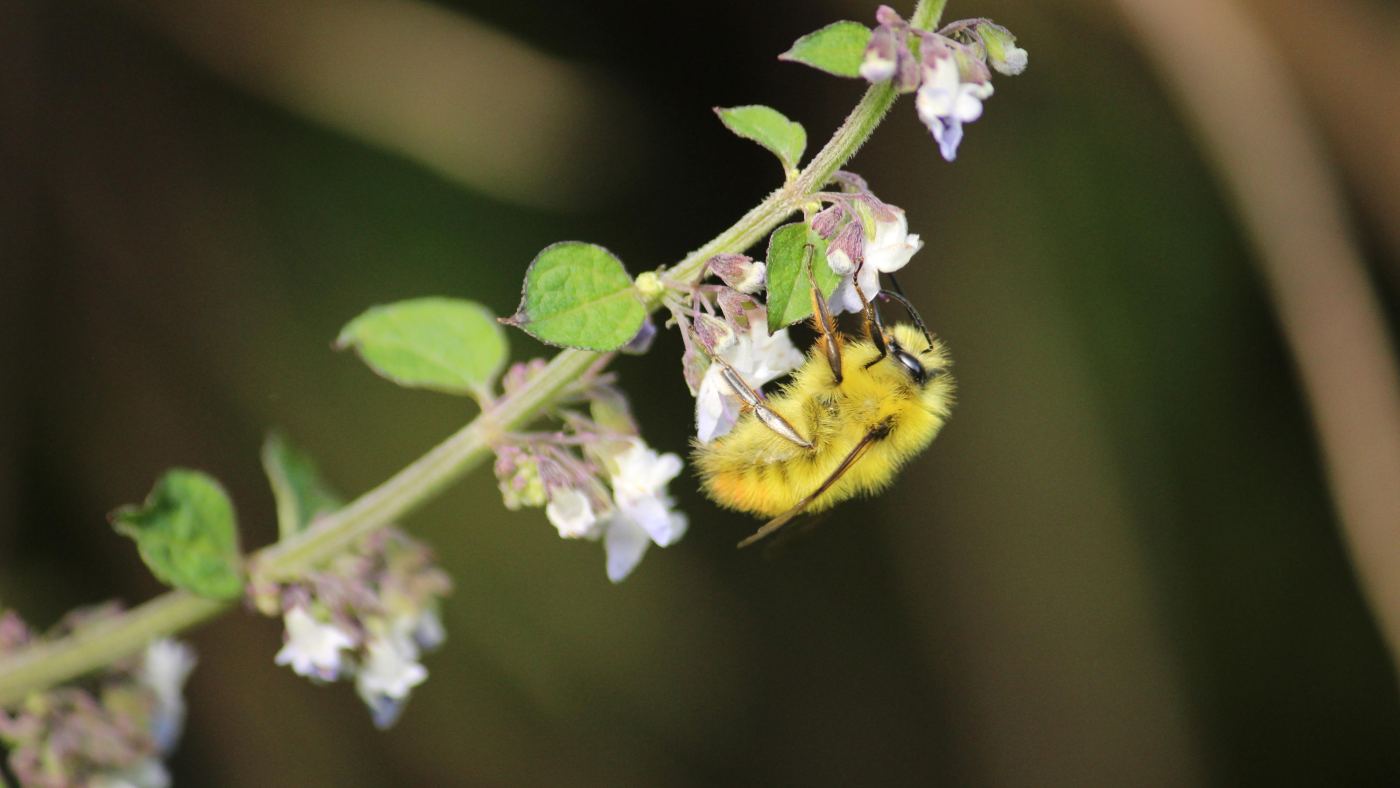
Wild pollinators like this bumblebee are integral to farmers' livelihoods and nutrition. Tom Timberlake hide caption toggle caption Tom Timberlake Nature clearly benefits human health. …
Wild pollinators like this bumblebee are integral to farmers' livelihoods and nutrition. Tom Timberlake hide caption toggle caption Tom Timberlake Nature clearly benefits human health. Research shows how trees clear the air, wetlands filter water and insects pollinate food. But moving beyond these generalities to specifics is hard, says Thomas Timberlake , an ecologist at the University of York. Figuring out which parts of an ecosystem are most important, and how much they bolster the health of people and communities is difficult to quantify. "Ecological systems are complex and messy," he says. Making sense of that mess to draw distinct lines from biodiversity to human nutrition takes painstaking work — tracing people's diet to individual crops and then, the pollinators that support them. But doing that work is crucial for understanding how the loss of biodiversity across the globe is affecting human health on the ground. In Nepal, they found a picture that is both worrying, and hopeful. In rural communities, pollinating bees and hoverflies are responsible for more than 20% of people's intake of key vitamins, and more than 40% of their income, the researchers report Wednesday in Nature . Insect decline, driven by climate change and habitat loss, could result in more hardship for people, the researchers project. But they find those losses could be reversed by simple actions to support pollinators, like planting wildflowers. …
Original source: NPR News