The fallout and key questions from the IOC's biological female decision
BBC News ·
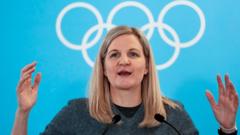
Image source, Getty Images Image caption, Olympic president Kirsty Coventry was elected to the role one year ago By Dan Roan Sports editor Published 9 hours ago "This is a question where there is no …
Image source, Image caption, Olympic president Kirsty Coventry was elected to the role one year ago By Dan Roan Sports editor Published 9 hours ago "This is a question where there is no one-size-fits-all solution. It differs from sport to sport." The words of former International Olympic Committee (IOC) President Thomas Bach in July 2021, when claiming that sex eligibility criteria should be left to each individual sport to determine. A few months later, the organisation issued a new set of guidelines, reiterating that it was "not in a position to issue regulations that define eligibility criteria for every sport". And that "athletes should not be deemed to have an unfair or disproportionate competitive advantage due to their sex variations." Yet just five years on, Bach's successor Kirsty Coventry has announced a blanket ban on transgender women, as well as athletes with differences in sex development (DSD) who have gone through male puberty from female events, "to protect fairness, safety and integrity". From the 2028 LA Games, eligibility for women's competition at all IOC events will be limited to biological females, and determined on the basis of a one time SRY gene screening, which detects the presence of a Y chromosome and male sex development. So what explains the IOC's dramatic change in approach? How divided has the reaction been? And what challenges and questions remain? BBC Sport takes a closer look. …
Original source: BBC News
Mentioned
Olympic · World Championships · International Olympic Committee · World Boxing · Donald Trump · New Zealand · United Nations