How Iran could try to control the Strait of Hormuz — and profit from it
CBS News Top ·
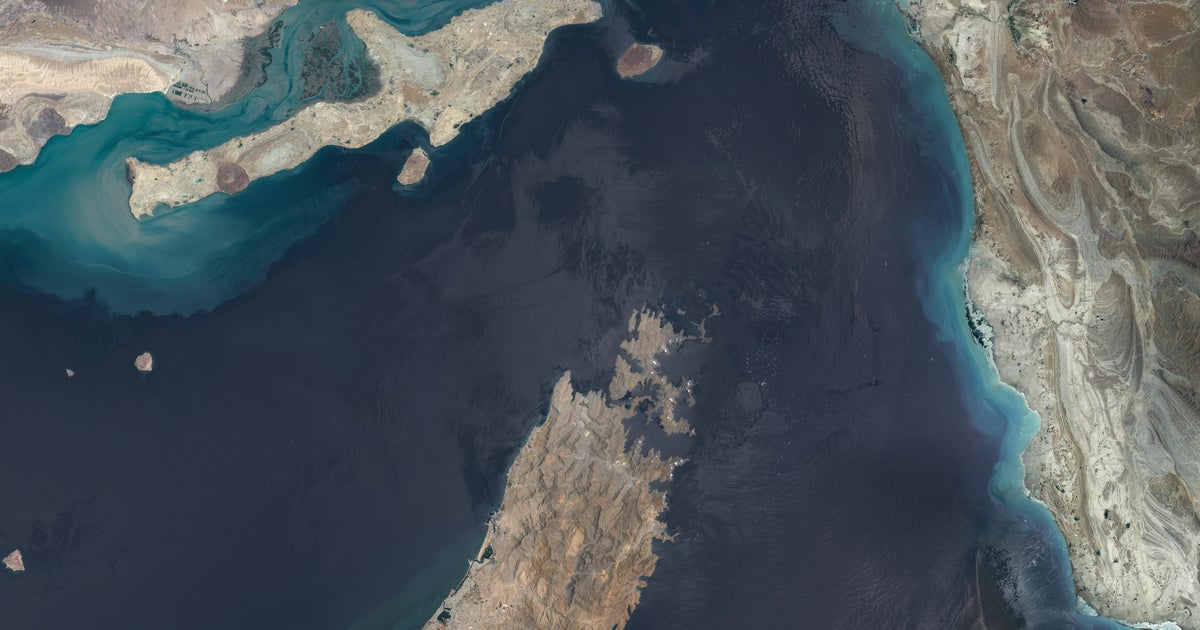
London — When the U.S. and Israel launched their joint war on Iran in February, Tehran responded almost immediately with what has now been proven to be one of its most potent weapons — the ability to …
London — When the U.S. and Israel launched their joint war on Iran in February, Tehran responded almost immediately with what has now been proven to be one of its most potent weapons — the ability to paralyze the Strait of Hormuz. By firing on or threatening to strike any ships that had not sought its permission, Iran effectively closed this major shipping lane, through which a fifth of the world's oil had typically passed in tankers. The shipping gridlock sent the price of oil soaring, impacting virtually everyone on the planet, including Americans who continue to face elevated prices at the pump. Transits have steadily increased since the signing of the memorandum of understanding between the U.S. and Iran two weeks ago. That framework agreement calls for the lifting of U.S. and Iranian restrictions and toll-free transit of the strait for at least 60 days, a period designated by the MoU for the U.S. and Iran to negotiate a wider peace deal. But some experts believe that whatever deal the two sides may eventually reach, the Strait of Hormuz will never return to its pre-war state. Smoke rises Thai tanker "Mayuree Naree" after it is struck in the Strait of Hormuz. Royal Thai Navy/AFP/Getty "We are no longer dealing with the traditional maritime arrangement in the Strait of Hormuz, which we are familiar with, the one that existed before the war," Noam Raydan, a senior fellow at the Washington Institute think tank, told CBS News. …
Original source: CBS News Top
Mentioned
Hormuz · Mohammad Bagher Ghalibaf · Persian Gulf Strait Authority