The complex truth about trust in science
Nature News ·
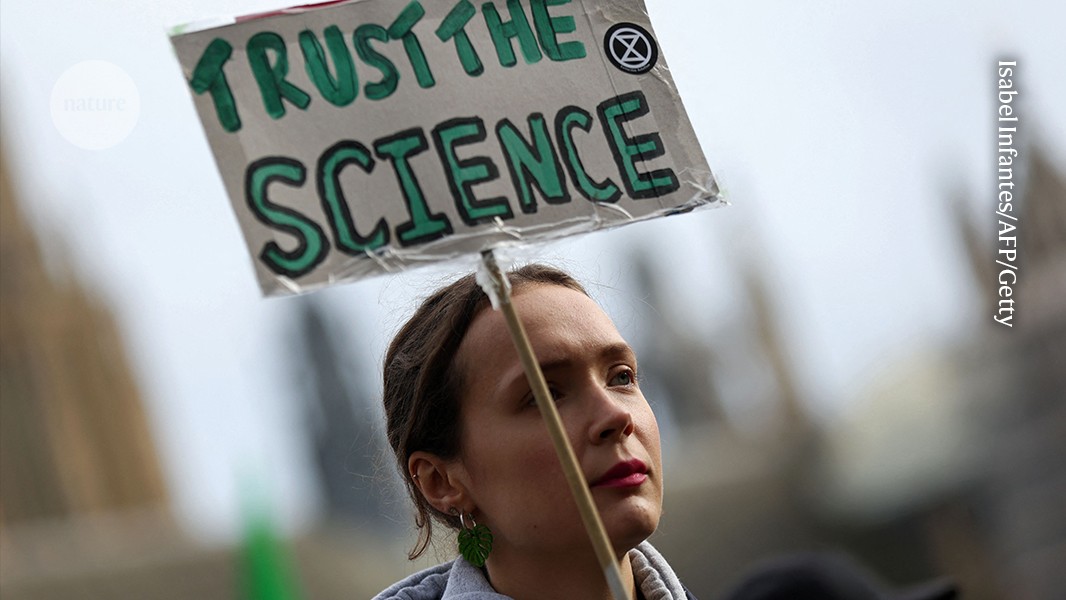
You have full access to this article via your institution. People are more likely to trust scientists when scientists trust the public and are open about uncertainties. …
You have full access to this article via your institution. People are more likely to trust scientists when scientists trust the public and are open about uncertainties. Credit: Isabel Infantes/AFP/Getty Niels Mede is curious about how the public views science. Last month, two different Uber drivers told the science-communication researcher that they thought trust in science was low in their countries. Have people stopped trusting science? The data tell a surprising story This came as no surprise to Mede, who is based at Wageningen University & Research in the Netherlands. He has seen the idea that there is a crisis of public trust in science in headlines, book titles and conference agendas (and he co-led a major study on the subject 1 ). It has gained traction from populist rhetoric that frames scientists as part of an out-of-touch and suspect elite. Distrust of science is being used by the US administration as one justification for attacking the scientific enterprise. Trust in science is important. Scientific knowledge cannot influence decisions and improve lives unless citizens and policymakers consider it trustworthy. Confidence that scientists and the scientific process produce reliable, valuable knowledge is also necessary to maintain support for public funding of research. That’s why Nature this week includes a series of articles on trust in science. …
Original source: Nature News
Mentioned
Britain · COVID-19 · Democratic · Cambridge · Netherlands · United States · United Kingdom · World Health Organization