Scientists should recognize their own political biases to build public trust
Nature News ·
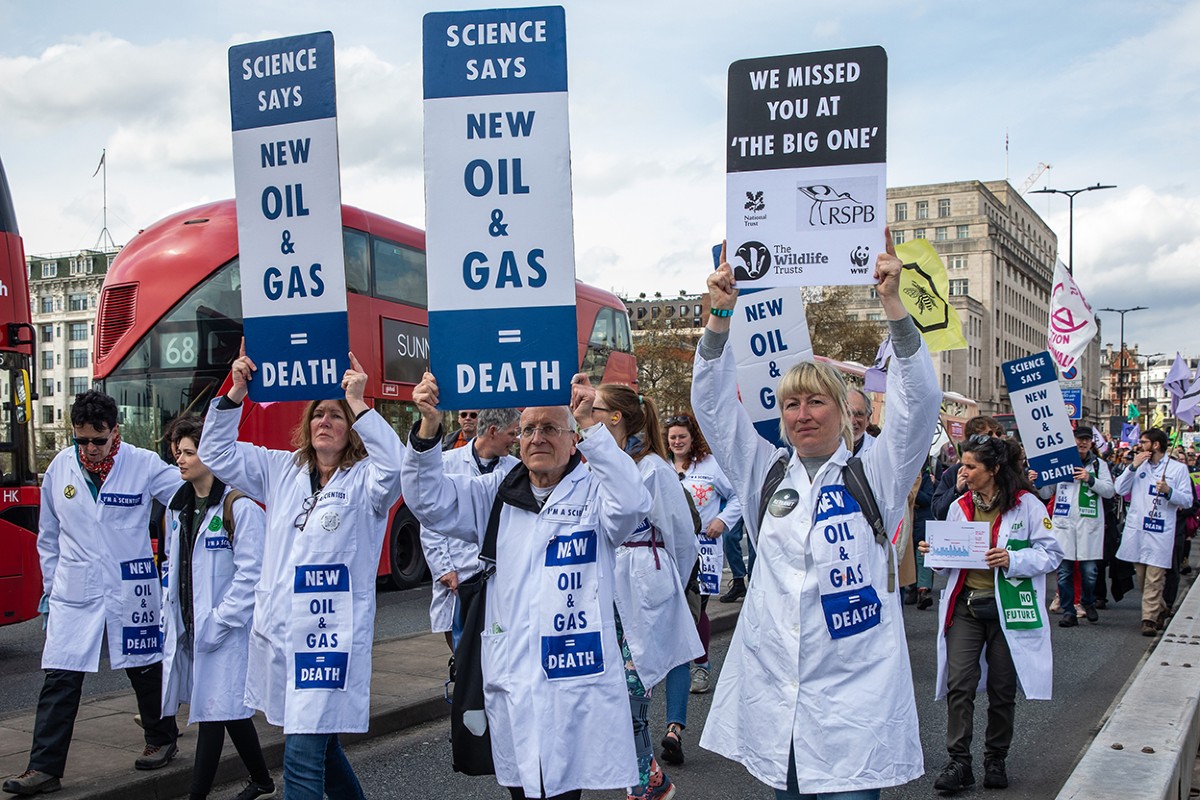
Scientists can send confusing messages when they mix evidence and political beliefs. Credit: Mark Kerrison/In Pictures via Getty Many countries are in a crisis of trust. …
Scientists can send confusing messages when they mix evidence and political beliefs. Credit: Mark Kerrison/In Pictures via Getty Many countries are in a crisis of trust. In the United Kingdom, polls show deep distrust in politicians. Trust in business, journalism, the police and the judiciary is falling, too. But, one institution still commands broad respect: science. Politicians have a net trust score of −75%, whereas scientists have a score of 58%. When people are asked what makes them optimistic about the future, the top three answers are medical advances, new technology and research and innovation. In fourth place: nothing. These findings, from UK research undertaken this year by the global charitable foundation Wellcome and polling organization More in Common in London (see go.nature.com/4vqskh3 ), suggest that at a time when the public can feel divided and despondent, science is a rare source of shared optimism and even pride. Have people stopped trusting science? The data tell a surprising story But that standing is more fragile than it looks. More in Common’s seven-segments model, which groups people according to measures of their underlying values and world views, can spot shifts in trust that headline polling can miss. Much of what was found is reassuring: many institutions would envy the trust that science enjoys. But there are clear signs of strain, and, for some groups, confidence has given way to wariness. …
Original source: Nature News
Mentioned
UK · London · COVID-19 · United States · United Kingdom