‘Fine for others to pay more’: can Japan attract more overseas tourists while charging them extra?
The Guardian Business ·
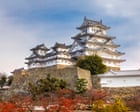
P erched dramatically on a hilltop in western Japan , Himeji castle’s striking white-plastered, tiered roofs earned it the moniker “white heron castle”. …
P erched dramatically on a hilltop in western Japan , Himeji castle’s striking white-plastered, tiered roofs earned it the moniker “white heron castle”. The sweeping 17th-century complex is regarded as the finest existing samurai fortress, and attracts more than one and a half million visitors a year. But as Japan seeks to manage greater numbers of foreign tourists, Himeji is one of the attractions raising admission prices for non-residents. The World Heritage site increased its admission fee to 2,500 yen ($15.50) on 1 March, but left the price for those who live in Himeji city at 1,000 yen ($6.20). In the first month of the price rise, admissions dropped 17% - roughly in line with the management bureau’s expectations – and Kensuke Tsushi from the castle’s management bureau says “there were voices cautioning that it might damage the castle’s image”. However, ticket revenue more than doubled. “It’s often reported as ‘dual pricing’, but we see it as a flat 2,500 yen with a discount for city residents who show ID,” says Tsushi. Overseas visitors to Himeji grew to 547,000 last year, up from 387,000 in 2018. The castle’s 10-year management plan forecasts that this could reach 1.2 million annually, leading to increased wear and tear costs. Congestion in places like Tokyo has led to concerns about overtourism. Photograph: Philip Fong/AFP/Getty Images Tsushi says the complaints about the system were coming from from Japanese visitors outside the city rather than foreign tourists. …
Original source: The Guardian Business