What the Supreme Court did on the final day of its term
NPR News ·
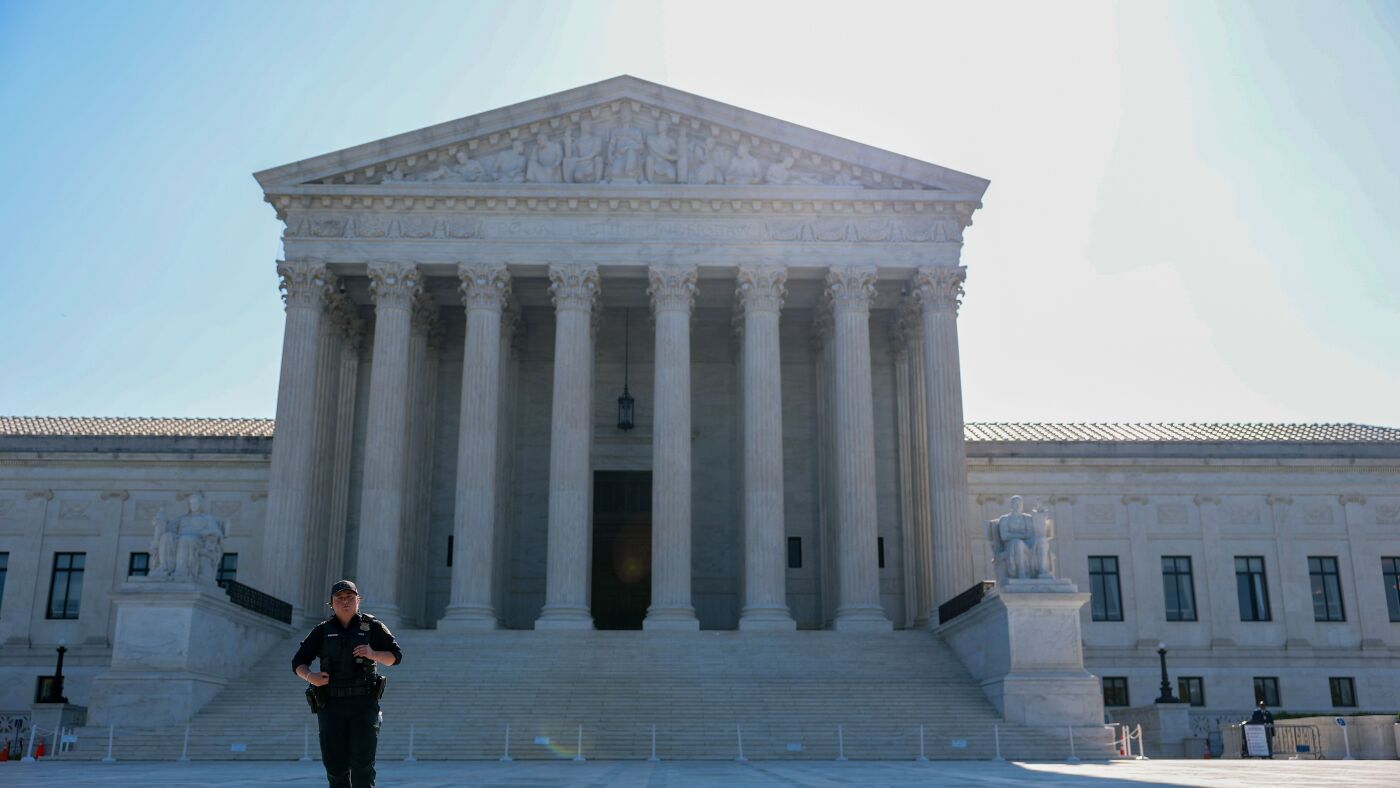
The U.S. Supreme Court Tasos Katopodis/Getty Images hide caption toggle caption Tasos Katopodis/Getty Images The Supreme Court Tuesday upheld the long-established right of children born on U.S. …
The U.S. Supreme Court Tasos Katopodis/Getty Images hide caption toggle caption Tasos Katopodis/Getty Images The Supreme Court Tuesday upheld the long-established right of children born on U.S. soil to automatic American citizenship, regardless of their parents' immigration status. In so doing, the court rejected President Trump's most aggressive attempt to limit immigration in the United States. Writing for the court majority, Chief Justice John Roberts traced birthright citizenship back to the founding of the nation. Just as the colonists demanded "the rights of Englishmen" more than 250 years ago, he said, Congress, after the Civil War, amended the Constitution to specify automatic citizenship for any child born on U.S. soil. "Citizenship then and now was the right to have rights"—and the framers of the 14th amendment extended that promise to every free born person in this land. He concluded: "We keep that promise today." The vote was 6-to-3, depending on how you count it. Altogether, five justices signed on to the Roberts' majority opinion. A sixth, Justice Brett Kavanaugh, agreed only that federal legislation enacted in the 1950s grants automatic citizenship for children born in the U.S. Justice Clarence Thomas wrote the lead dissent, a 91-page opus that agreed with Trump's assertion that the 14th amendment only applied to former slaves and their descendants. …
Original source: NPR News
Mentioned
Samuel Alito · United States · Clarence Thomas · African American · University of Virginia