Women with irregular periods should be checked for PMOS, NHS says
The Guardian World ·
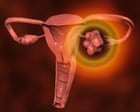
Up to 4 million women with irregular periods should be investigated for polyendocrine metabolic ovarian syndrome, according to new NHS guidance . …
Up to 4 million women with irregular periods should be investigated for polyendocrine metabolic ovarian syndrome, according to new NHS guidance . PMOS, previously known as polycystic ovarian syndrome, is believed to affect up to 13% of reproductive age women , the World Health Organization estimates. Symptoms include irregular, very short, long or absent periods, excess levels of testosterone, and ovaries with multiple small follicles. The condition is associated with greater risk of developing type 2 diabetes, cardiovascular disease, sleep apnoea, fatty liver disease, mental health issues and complications in pregnancy. But the National Institute for Health and Care Excellence (Nice) says that, despite affecting 3- to 4-million women in the UK, PMOS is “frequently underdiagnosed and inconsistenly managed”. Nice’s new draft guidance covers girls aged over 10, as well as adult women, trans men and non-binary people who are not receiving gender reassignment therapy or surgery. Patients with suspected PMOS should be offered blood tests including male and female hormone levels and in some cases ultrasounds. PMOS should not be discounted in women who have been through the menopause, or those with eating disorders, which disproportionately affect people with PMOS, the guidance states. PMOS can be more prevalent among black, Asian and mixed ethnicity women, and the guidance also says healthcare professionals should consider this when assessing symptoms. …
Original source: The Guardian World
Mentioned
UK · NHS · Nice · England · World Health Organization