Blue Origin starts rebuilding launch pad damaged by New Glenn rocket explosion — and it will look very different when it's done
Space.com ·
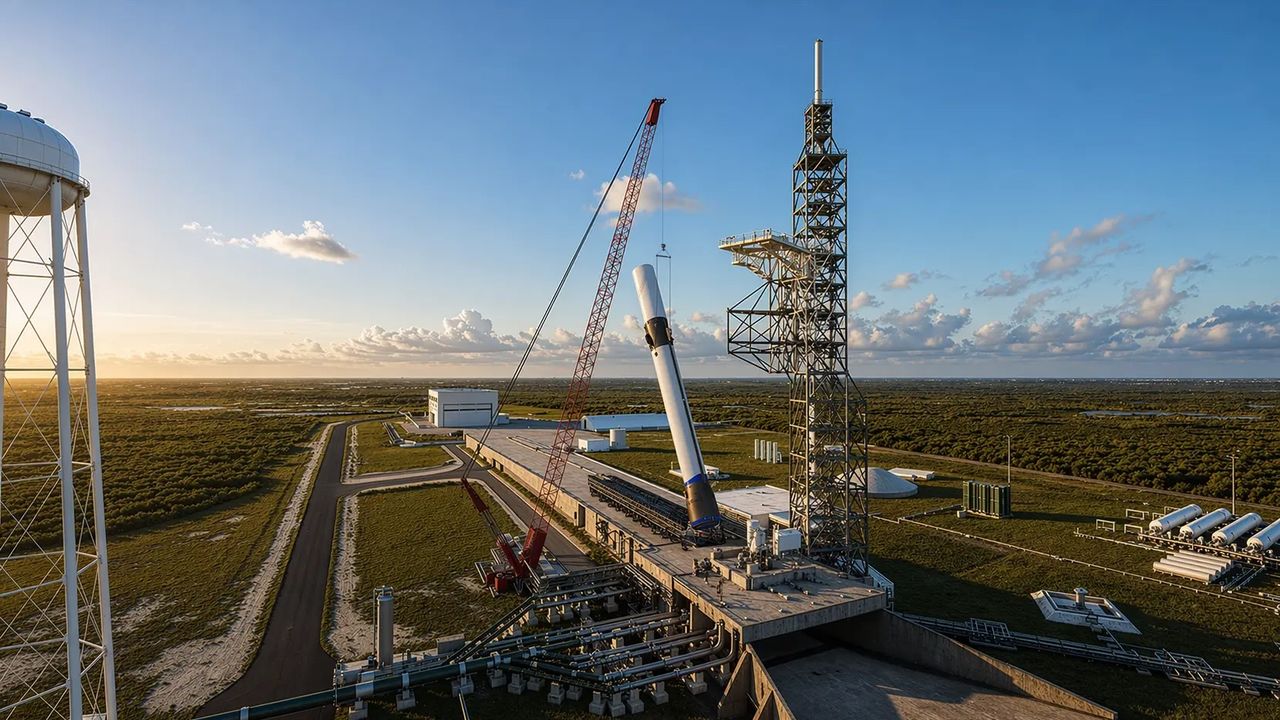
Blue Origin has started rebuilding the launch pad damaged by an explosive accident last month, but the company is working from a very different blueprint this time around. …
Blue Origin has started rebuilding the launch pad damaged by an explosive accident last month, but the company is working from a very different blueprint this time around. The company's huge New Glenn rocket exploded on May 28 during a routine engine test at Launch Complex 36A (LC-36A) at Florida's Cape Canaveral Space Force Station . The rocket was destroyed, as were some important pieces of pad infrastructure, including the lightning tower and the transporter-erector, which hauled New Glenn from its integration facility to the pad and raised it vertical upon arrival. Blue Origin has vowed to bounce back quickly, aiming to fly the 320-foot-tall (98-meter) New Glenn again by the end of the year. Getting LC-36A rebuilt is a high priority, for the pad is currently New Glenn's only jumping-off point. And Blue Origin has made significant progress on this front the company announced today (June 30). "Hardware recovery and debris removal operations are complete, and reconstruction of the pad has started," the company's CEO, Dave Limp, said in a statement today . Reconstruction will not create a facsimile of the original LC-36A, however. Blue Origin is building a new version of the pad, one that lines up with a new concept of operations (ConOps) for New Glenn launches. "We're moving to a horizontal/vertical hybrid configuration to get us flying again this year at 36A," Limp said via X today . "Let me explain what that means. …
Original source: Space.com