Delhi plans to ban petrol rickshaws and scooters in effort to cut toxic fumes
The Guardian World ·
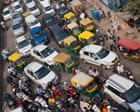
Delhi is implementing a plan to ban petrol rickshaws and scooters by 2030 in an effort to reduce air pollution. The city will transition to electric vehicles, with new licenses only for electric …
The unruly chaos of Delhi’s roads would be unrecognisable without the rickshaws and scooters that zip through India’s capital in their millions, emitting toxic fumes in their wake. But now, ambitious policies aim to give the city’s most recognisable vehicles an environmental makeover. On Monday, Delhi’s government announced plans to eventually ban petrol scooters, motorbikes and autorickshaws in favour of those running on electricity, in an attempt to bring down dangerously high pollution levels in the city by the end of the decade. The policies, which will phase out new petrol and gas scooters, trucks and buses in the capital over the next two years, have been hailed by some environmentalists as a “gamechanger” in the fight to bring down toxic emissions. In recent years, transport has been one of the highest contributors to Delhi’s air pollution, which is consistently at levels dangerously high to human health and has become an emergency in the capital, linked to tens of thousands of deaths each year . Scooters and rickshaws – which largely run on petrol and compressed fossil gas – account for more than two-thirds of the tens of millions of vehicles on Delhi’s roads. Under the new policy, India’s capital will now issue new licence plates only to electric small trucks and three-wheelers, known as e-rickshaws, from 2027, and to e-scooters and electric motorbikes from 2028. An air pollution protest in front of Delhi’s India Gate in November last year. …
Original source: The Guardian World