Frank Gardner: Navy plans reflect sea change in how wars are fought
BBC News ·
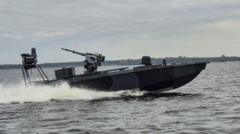
The Royal Navy is shifting its approach to warfare by embracing hybrid tactics, combining traditional ships with unmanned vessels like drones. …
The Royal Navy is to transform the way it operates over the next few years. Britain's six Type 45 destroyers, designed for air defence, will no longer be replaced by the planned Type 83 versions. Instead, the Navy is to get several cheaper ships called Common Combat Vessels that will act as hubs controlling a fleet of uncrewed vessels or drones. The change is part of the long delayed but now updated Defence Investment Plan (DIP) being announced by the government this week. It's called hybridisation – combining traditional crew-operated weapons platforms like frigates, with fleets of uncrewed and autonomous systems. In the Royal Navy's case, it gets to keep the frigates, which will be updated with new versions in the pipeline. But the big, powerful and expensive Type 83 destroyers, yet to be built, are now being scrapped in favour of the drones. Drones take different shapes and sizes and these naval ones are very different from the tiny, cheap quadcopters being deployed with deadly effect on the battlefield of the Donbas. Instead, they measure nearly 100 metres long and will be deployed in the North Atlantic to confront the threat from Russia's submarines and "research" vessels that have been taking an unhealthy interest in the vulnerable undersea cables that carry more than 90% of the UK's data, including trillions of dollars' worth of financial transactions. …
Original source: BBC News
Mentioned
Russia · Britain · John Healey · NATO