How AI can crack open the ‘hidden curriculum’ for neurodivergent students
Nature News ·
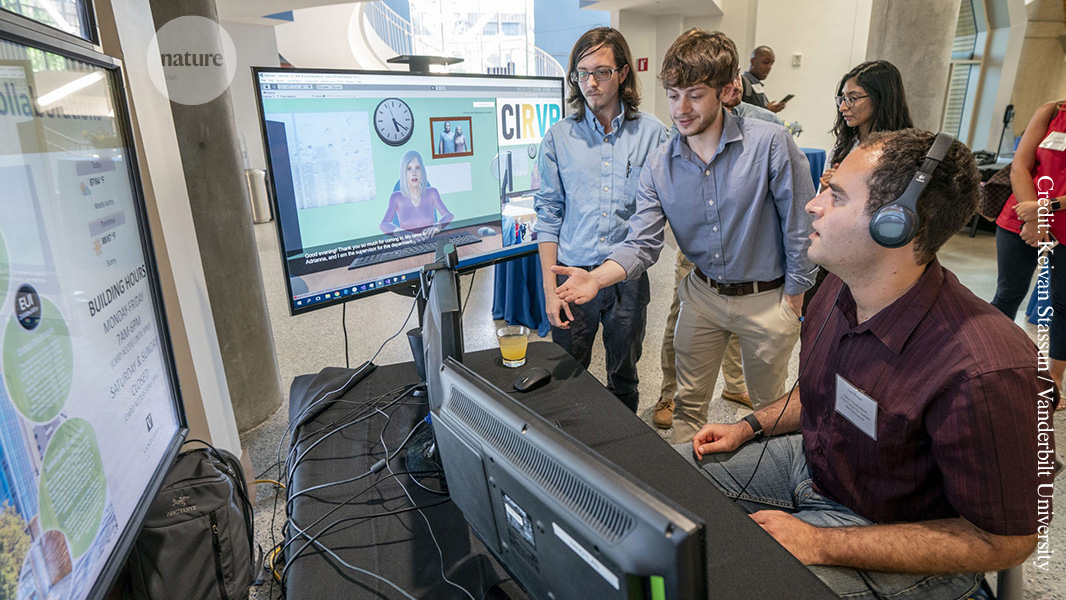
Students at Vanderbilt University in Nashville, Tennessee, assist in the development of technologies to help neurodivergent individuals achieve success in the workplace. …
Students at Vanderbilt University in Nashville, Tennessee, assist in the development of technologies to help neurodivergent individuals achieve success in the workplace. Credit: Keivan Stassun / Vanderbilt University When academics talk about neurodiversity and training the next generation of scientists and engineers, we often begin with the need to give students extra time in exams, along with note-taking support and modified testing environments. But many neurodivergent students face barriers, as we have found in our respective careers teaching science, technology, engineering and mathematics (STEM). In our experience, the biggest barriers to succeeding in academia and research are associated with communication, interpersonal relationships and ambiguous expectations. For example, students must learn how to e-mail their supervisors, negotiate authorship, ask for clarification without seeming unprepared, manage shifting deadlines and participate in fast-moving, dynamic group discussions. Many people pick these skills up through observation, mentoring and informal feedback. But these unwritten social and professional norms can feel particularly opaque to neurodivergent scientists, both inside and outside the laboratory. Some trainees absorb this ‘hidden curriculum’ easily. Others struggle to do so. …
Original source: Nature News
Mentioned
Maryland · Baltimore · Tennessee · Nashville · Vanderbilt University