Gulf shares concerns with US as Iran’s influence and power continue by proxy
The Guardian World ·
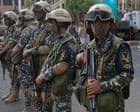
Gulf states are expressing concerns that the recent agreement between Iran and the US does not adequately address their worries about Iranian influence and support for various militant groups. …
As Marco Rubio ended his brief visit to the Middle East on Friday, he sought to cast in the best possible light his discussions with leaders of the Gulf states. Those leaders are deeply anxious that the deal agreed earlier this month between Iran and the US fails to address their worries about continued Iranian efforts to project power and influence throughout the region. “They’ve shared with us some very concrete concerns,” the US secretary of state admitted, and insisted that any definitive agreement will require Tehran to not only restrict its nuclear programme but also halt its support of Hamas in Gaza, Hezbollah in Lebanon, militia in Iraq and the Houthis in Yemen. But analysts and western security officials believe Iran is likely to increase its support for such groups after the conflict, which confirmed much of Tehran’s existing strategic thinking. The activities of irregular fighters funded and armed by Israel and, to a lesser extent, the US too, is also likely to intensify, they say. Hezbollah remains the mainstay of Iran’s coalition of allied groups and proxies around the Middle East, despite suffering badly in prolonged clashes with Israel in 2024 and 2025. The militant Islamist organisation also manifestly failed in its primary strategic role for Iran: to deter an Israeli direct strike. But Tehran remains committed to Hezbollah, which was founded in Lebanon with the support of the Iranian Islamic Revolutionary Guard Corps more than 40 years ago. …
Original source: The Guardian World