NASA used a drone to deliver a human kidney. Is this the future of transplant transport?
Space.com ·
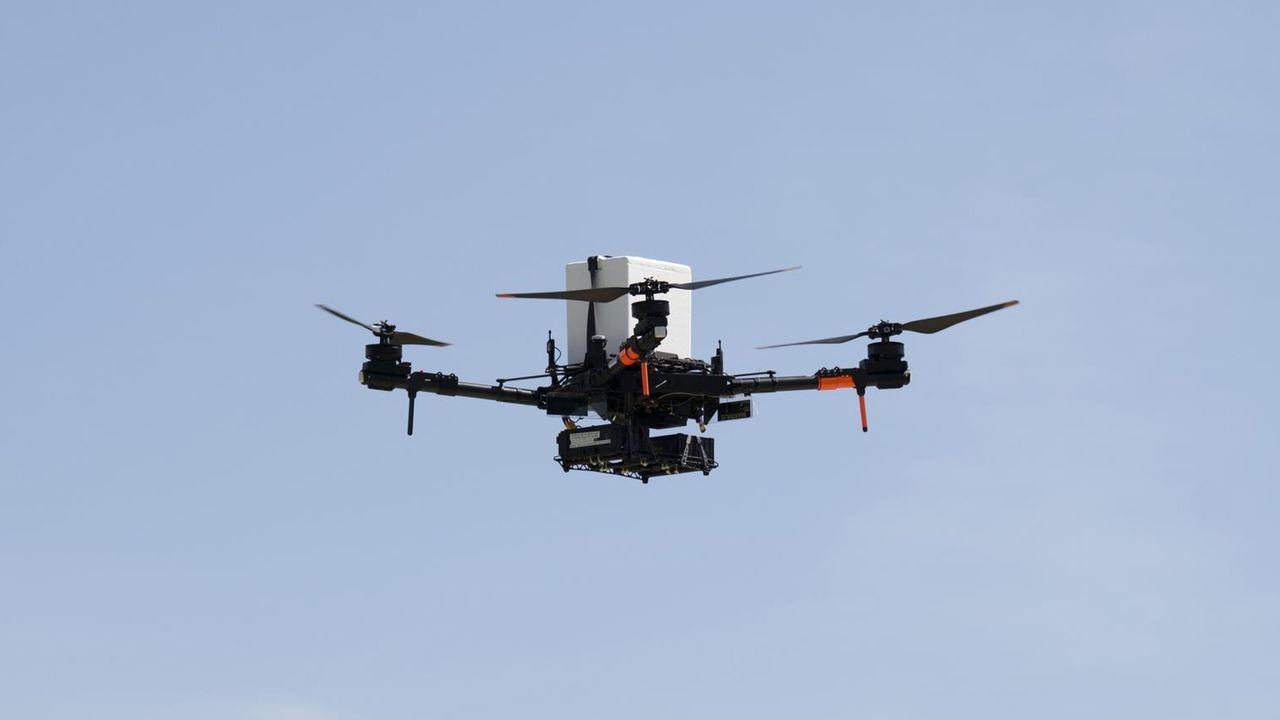
NASA is hoping to use drones to speed up organ delivery for transplant patients. A flight test earlier this month at NASA's Langley Research Center in Virginia saw a drone pick up a kidney and fly it …
NASA is hoping to use drones to speed up organ delivery for transplant patients. A flight test earlier this month at NASA's Langley Research Center in Virginia saw a drone pick up a kidney and fly it for the first time beyond "line of sight", or the distance from which a drone is visible by an operator. Keeping a line of sight on a drone is a typical requirement for flight safety, but NASA is developing tools that may allow these machines to fly further away from operators in populated environments more regularly. The kidney on the June 5 flight test was not viable for organ transplantation, which is why the agency and partner United Network for Organ Sharing were able to use it, according to WTKR . If all goes to plan with future tests conducted with NASA Langley, however, UNOS aims to fly organ-bearing drones as far as 15 miles (24 km), in between hospitals for example, to allow for swift and safe delivery to waiting patients. The drone collaboration was created to "explore faster, more reliable ways to transport donor organs using advanced aviation technologies", according to space agency materials published in April. Drones may have a better ability than larger aircraft to navigate ground logistics or maneuver in dense or hard-to-reach delivery areas. What's more, drones might be able to do so faster than aircraft, which is crucial: organs can only last so long during transportation. …
Original source: Space.com
Mentioned
Amazon · Hampton · Virginia · Langley Research Center · Federal Aviation Administration