June's Strawberry Moon is unlike any other full moon. Here's why
Space.com ·
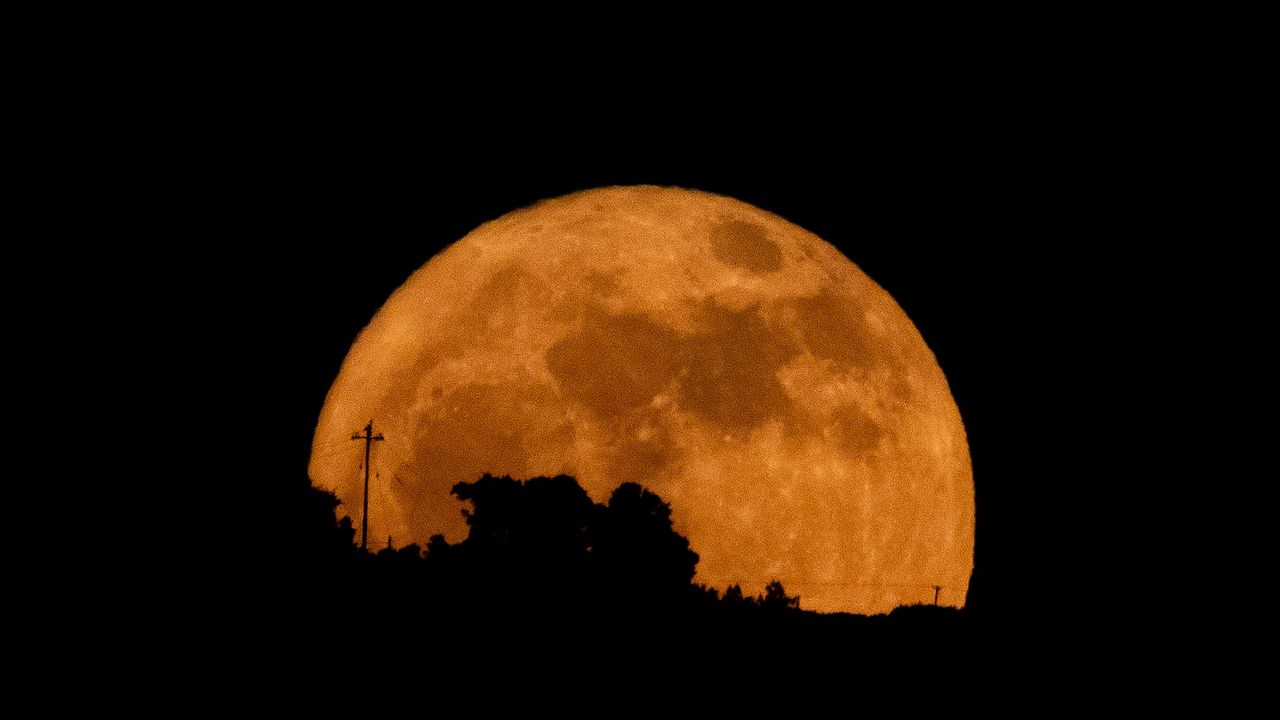
Full moons are overrated and, frankly, a pain. They wash out the stars, ruin deep-sky observing, and they all look the same. Technically, all of that is true. …
Full moons are overrated and, frankly, a pain. They wash out the stars, ruin deep-sky observing, and they all look the same. Technically, all of that is true. Yet every month — and particularly each June — I find myself standing outside at dusk waiting for the full moon to rise like it's an old friend arriving for an annual visit. The main attraction of June's Strawberry Moon is that it stays so low, as seen from the Northern Hemisphere. It appears at an extreme southeasterly point on the horizon and rises slowly, almost reluctant to leave the horizon. It doesn't climb sharply upward like a winter full moon . Instead, it drifts sideways through the southern sky, hanging low and heavy in warm evening haze. People who never normally notice the moon suddenly stop and stare — the surefire way of telling that a celestial event has crossed the threshold and become simply an event. Last year's Strawberry Moon rose absurdly low because it was at a major lunar standstill, the peak of an 18.6-year cycle that changes how extreme the moon's rising and setting positions become. It reached its most southerly moonrise point since 2006, and we won't see another stretch quite like that again until the 2040s. I was at an outdoor concert at the time, and spent much of the set looking in the complete opposite direction from the stage. It just looked so odd rising behind my city in a position I had never seen it rise before. It was like being in an alternate reality. Few around me even noticed. …
Original source: Space.com