3 billion years old! This Australian crater is the oldest known asteroid impact site on Earth
Space.com ·
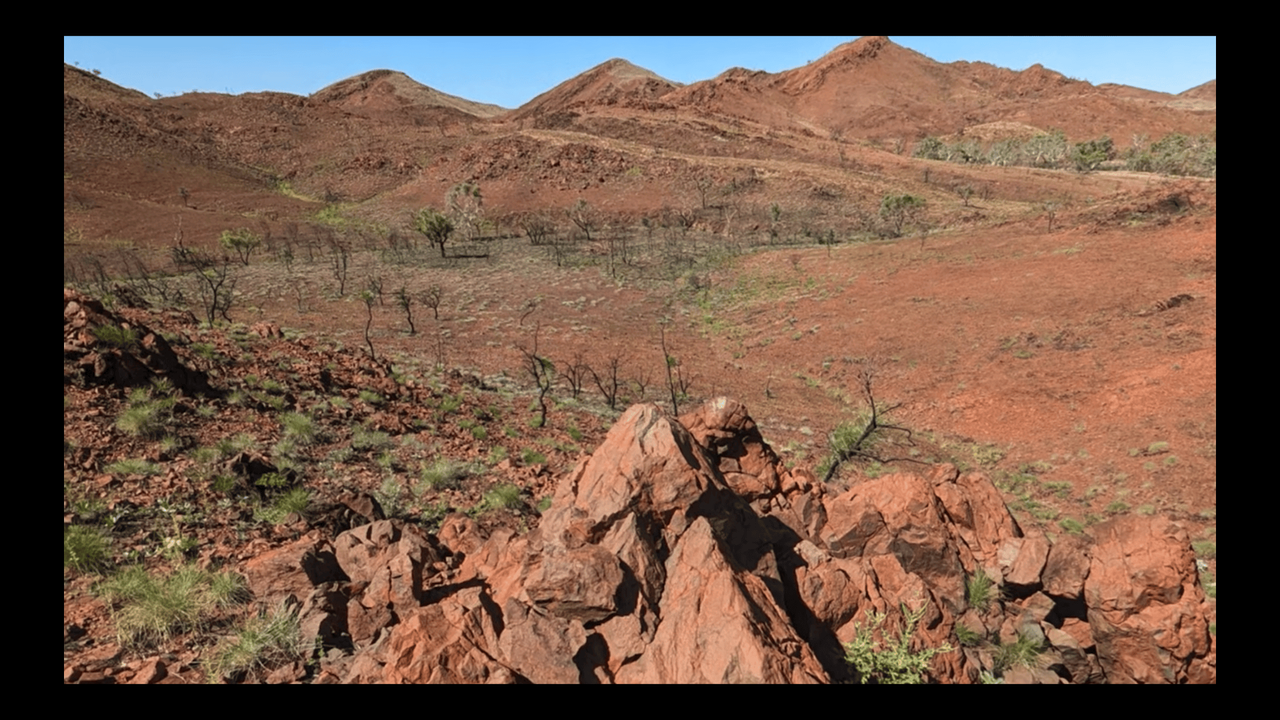
The oldest known asteroid impact site on Earth was created 3.02 billion years ago in what's now Western Australia — not far from where we've seen the oldest traces of life on our planet. …
The oldest known asteroid impact site on Earth was created 3.02 billion years ago in what's now Western Australia — not far from where we've seen the oldest traces of life on our planet. A rock formation in Western Australia's Pilbara region seems to offer evidence of an asteroid slamming into Earth 's newly-formed rocky crust around 3.02 billion years ago. That makes the formation, called the North Pole Dome, the oldest evidence of an asteroid impact on Earth, according to a recent study, which dated crystals in the rocks shocked and reshaped by the impact's tremendous heat and pressure. It's the latest salvo in an ongoing debate about the age of the crater (or what's left of it after billions of years of erosion), and there's more at stake than bragging rights: a crater dating back this deep in Earth's distant past could shed light on the rise of the continents and the origin of life. A rare glimpse Inside most rocks in Earth's crust, tiny grains of mineral called zircon quietly record the passage of eons. Zircon contains tiny amounts of uranium, which slowly but steadily breaks down into lead; that steadiness is key, because the ratios of those two elements reveal how long it's been since a grain of zircon crystallized from hot, molten rock. In this case, zircon grains told Kirkland and his colleagues that it had been about 3.02 billion years since the tremendous heat and pressure of an asteroid impact melted zircon crystals in the rocks around North Pole Dome. …
Original source: Space.com