I was wary of driverless cars and their tech overlords – but they could give me a different future | Gabriel Stewart
The Guardian Business ·
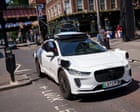
T he robotaxis are coming! The robotaxis are coming! Well, actually, they’re already here. Until now they’ve been the stuff of science fiction, but this summer London’s streets have seen Silicon …
T he robotaxis are coming! The robotaxis are coming! Well, actually, they’re already here. Until now they’ve been the stuff of science fiction, but this summer London’s streets have seen Silicon Valley-based company Waymo testing out self-driving cars. It hasn’t been the smoothest of introductions – from cars getting stuck in a cul-de-sac and repeatedly waking up the residents of Shoreditch to one driving into a crime scene , after a double stabbing in Harlesden. The automated vehicles (AVs) have so far had trained drivers waiting behind the wheel to take control if needed, but will soon be shedding their human minders. Waymo and British rival Wayve are hoping to launch driverless minicabs in the capital this year, subject to approval from the British government and Transport for London, among others. A subsidiary of Google parent Alphabet, Waymo currently operates ride-hailing services in 10 US cities, but London, with its narrow streets and densely populated centre, will serve as one of its biggest challenges yet. Is this a good thing? I have to admit I was initially suspicious, being naturally resistant to all forms of modernity and any “solution” proposed by the tech industry. Plus, the clunky camera-laden Jaguar SUVs hardly scream sex appeal. But there is an aspect to this too little considered: for me, and others with accessibility needs, AVs offer a different future, a possibility of independence that feels otherwise unattainable. …
Original source: The Guardian Business
Mentioned
Austin · Google · London · Alphabet · Los Angeles · San Francisco · Silicon Valley