‘Us’ not ‘them’: scientists must use their skills to help stop polarization and division
Nature News ·
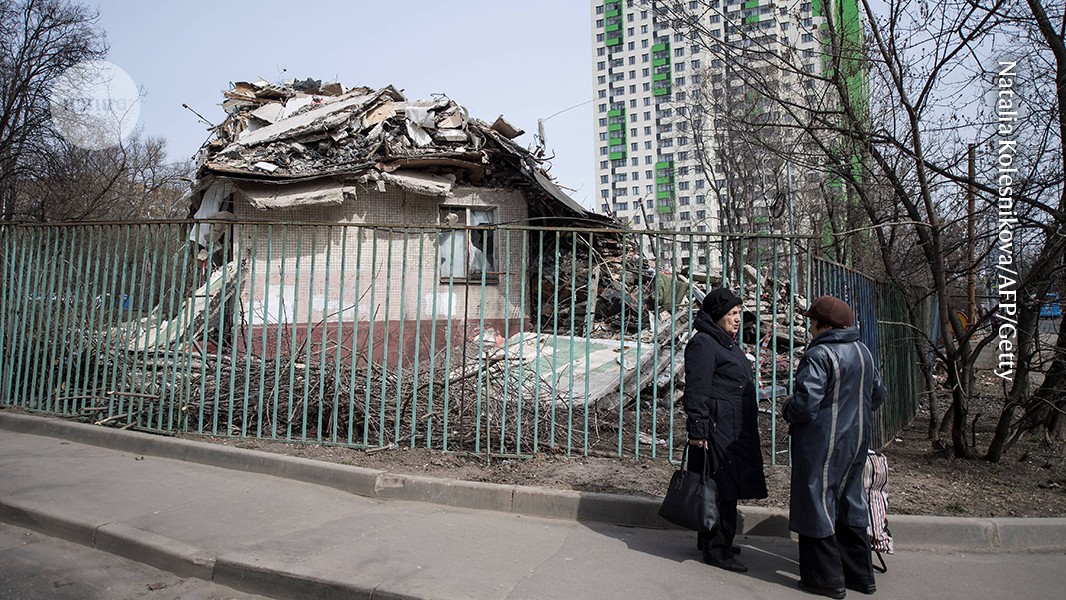
You have full access to this article via your institution. Residents of Soviet-era housing in Moscow agreed to bury political differences and unite to save the buildings from demolition. …
You have full access to this article via your institution. Residents of Soviet-era housing in Moscow agreed to bury political differences and unite to save the buildings from demolition. Credit: Natalia Kolesnikova/AFP/Getty Societies are becoming further divided and more polarized. Numbers of conflicts are increasing , as are threats of political violence. Differences of opinion are normal in all societies, but polarization is linked to changes in behaviour that can cause harm, such as a decrease in social interactions between groups of people, or people having an increasingly negative perception of others because of differences in race or ethnicity, gender, religion or ideology. Read the paper: Geographic proximity dampens ideological policy disagreement in urban politics Researchers in fields such as political science, sociology, psychology and history look at conflicts within and between societies. Increasingly, as psychologist Sabina Čehajić-Clancy at Stockholm University and Eran Halperin, a psychologist at The Hebrew University of Jerusalem, described in an article in Nature Reviews Psychology in 2024, these scientists and others are also using their skills to help to prevent conflict or deal with its aftermath 1 . They are investigating, for instance, how divides can be bridged and polarization reduced 2 along with what kinds of intervention work well, which types don’t and why. Studies exploring these questions are at a relatively early stage. …
Original source: Nature News