Searching for alien life: New model could help scientists home in on habitable exoplanets
Space.com ·
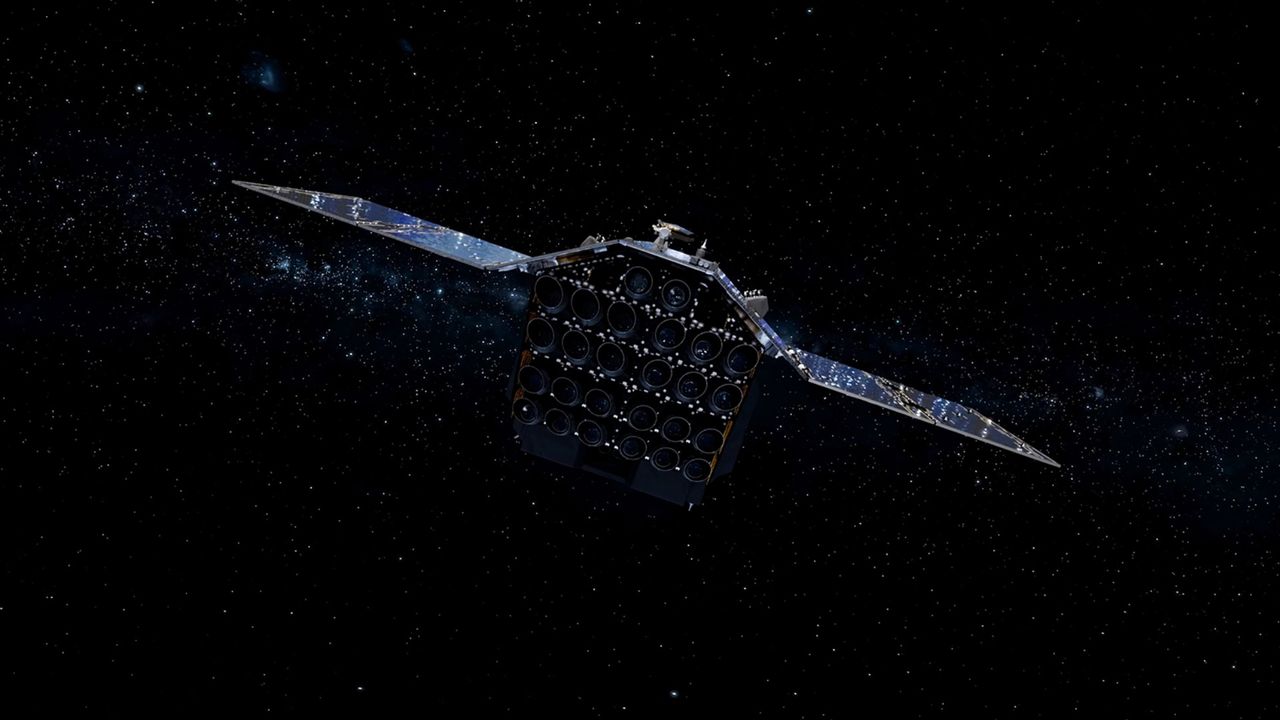
A new planetary habitability model could make the search for aliens more efficient by quickly identifying rocky worlds unlikely to sustain the atmospheres needed for life as we know it. …
A new planetary habitability model could make the search for aliens more efficient by quickly identifying rocky worlds unlikely to sustain the atmospheres needed for life as we know it. The software, called the Smaller Than Earth Habitability Model (STEHM), allows astronomers to screen exoplanets before committing valuable telescope time to detailed observations. Developed by researchers at Stanford University, the model assesses whether a rocky planet can build and retain an atmosphere over billions of years — a prerequisite for life as we know it, according to a statement from the university. Astronomers searching for life beyond Earth face a daunting challenge: thousands of exoplanets have already been discovered, and billions more are thought to exist throughout the Milky Way — roughly one for every star in the galaxy. As powerful new telescopes come online, researchers increasingly need ways to identify which worlds are worth closer study. "The only way that we're going to ever find out if there are signatures of life out there is by observing the atmosphere of these planets," Michelle Hill, lead author of the study who developed STEHM, said in the statement. Traditionally, scientists have focused on whether a planet lies within its star's habitable zone , the region where temperatures may allow liquid water to exist on the surface. But location alone does not guarantee habitability. …
Original source: Space.com
Mentioned
Mars · Hill · Venus · Earth · Stanford University