Community preserves history and reclaims once segregated bowling alley
CBS News Top ·
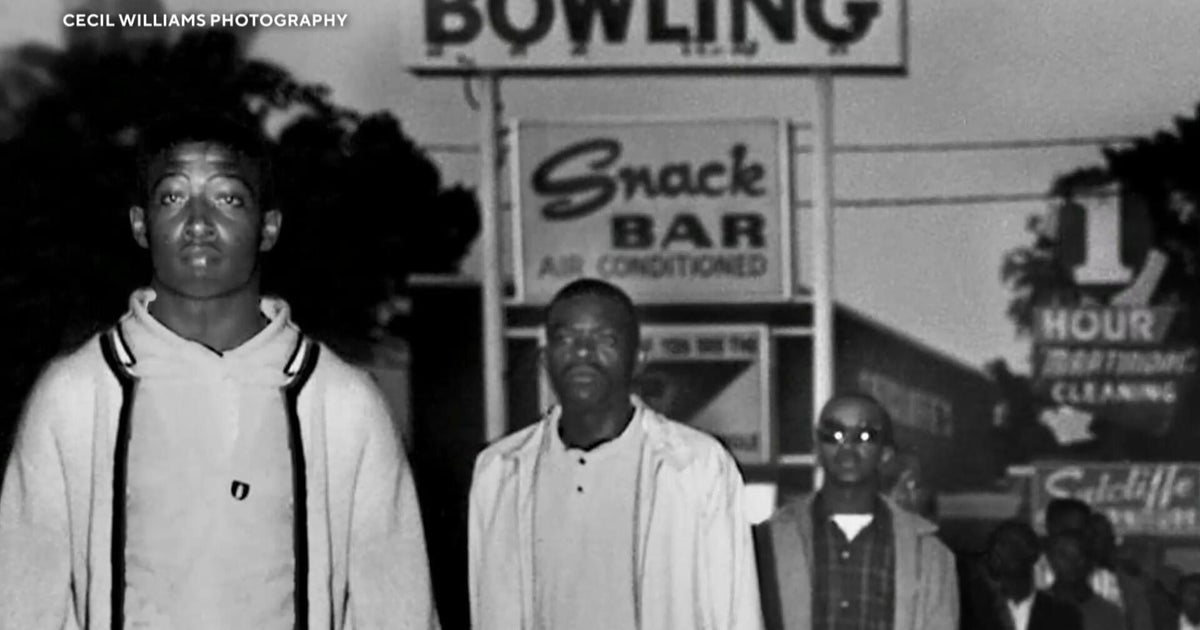
The road to equality for all Americans hasn't come without sacrifice, bloodshed and strife. Cecil Williams, a local historian in Orangeburg, South Carolina — a small city that's nestled between …
The road to equality for all Americans hasn't come without sacrifice, bloodshed and strife. Cecil Williams, a local historian in Orangeburg, South Carolina — a small city that's nestled between Columbia and Charleston — said he remembers when race determined where someone could and could not go. "Most of South Carolina, and especially most of Orangeburg, had already opened its doors to people of color. But there were a few pockets of resistance," he said. One of those spots, a local bowling alley, ended up helping to shape the civil rights movement. All Star Bowling Lanes sits just minutes from Orangeburg's two historically Black universities — Claflin University and South Carolina State. In the 1960s, owner Harry Floyd refused to integrate. "I have my own customers that patronize me 52 weeks a year. They support me, year in and year out. I need no other business," Floyd told a reporter in a 1968 interview. Orangeburg Massacre Students from both universities organized protests against All Star Bowling Lanes. What began as peaceful attempts to enter the bowling alley on Feb. 6, 1968, escalated into a confrontation between students and police. "A glass was accidentally broken in a window where we were all standing around. Police authorities really overreacted. Those with weapons started pulling them from their right side," Williams said. After days of demanding entry into the bowling alley, a new confrontation between students and police erupted on Feb. …
Original source: CBS News Top