Make science more reliable: study people as they go about their lives
Nature News ·
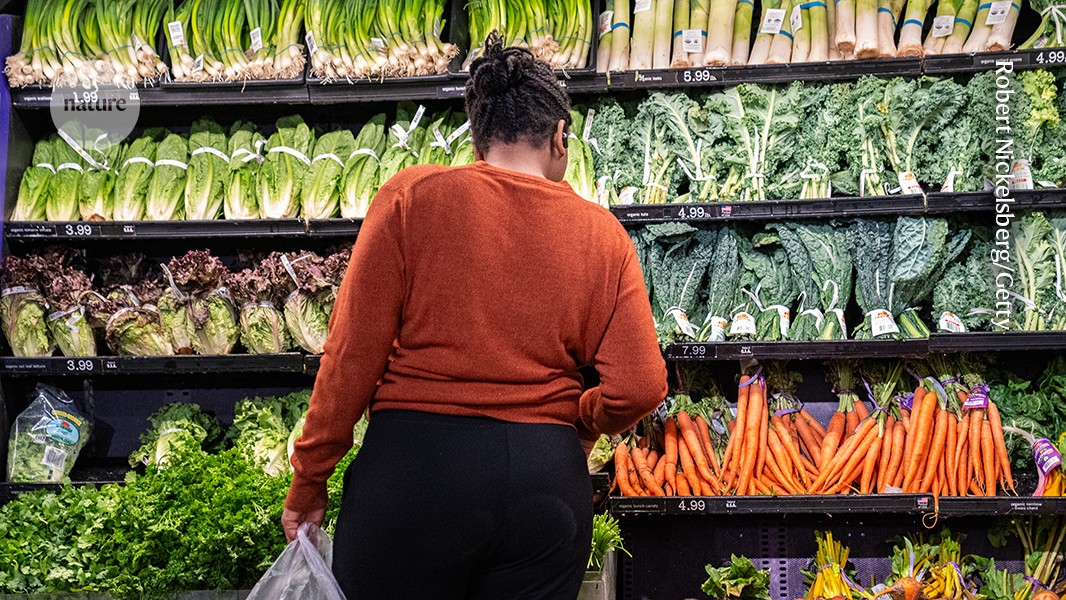
Natural field experiments might involve studying how shoppers respond to in-store changes, such as moving where products are displayed. …
Natural field experiments might involve studying how shoppers respond to in-store changes, such as moving where products are displayed. Credit: Robert Nickelsberg/Getty Public policy is full of initiatives that did not work out as hoped. Take Scared Straight, a programme run by more than 30 US states between 1978 and 2015 that aimed to dissuade at-risk teenagers from becoming hardened criminals by bringing them face-to-face with people incarcerated in maximum-security prisons 1 , 2 . The programme was extended after a pilot project, the subject of a 1978 documentary, found that 80–90% of teenage participants stayed out of trouble. But the intervention did not work when scaled up. In some places, criminal behaviour among teenagers even rose. Similarly, many childhood-development interventions that have proved effective in one place have failed to deliver comparable results elsewhere. Deworming children in schools, for instance, substantially reduced absenteeism in Kenya but has shown mixed or weaker effects in other settings. School meal programmes in Burkina Faso increased student attendance but had limited impacts on outcomes in other countries 3 . Why science has a credibility problem — and how to address it This generalizability problem arises, in part, because human behaviour differs across populations and situations. People live in complex social environments in which labels, stakes and scrutiny shape every decision. But those contexts are often overlooked. …
Original source: Nature News