Brexit: how it has hit your wallet at the supermarket and on holiday
The Guardian Business ·
It is 10 years since voters in the UK chose to leave the EU, and our wallets have been feeling the effects ever since. The Guardian’s journalism is independent. …
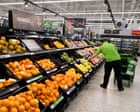
It is 10 years since voters in the UK chose to leave the EU, and our wallets have been feeling the effects ever since. The Guardian’s journalism is independent. We will earn a commission if you buy something through an affiliate link. Learn more . From paying more to take the dog on holidays in France – and making calls while you are there – to higher grocery bills and the headache of filling in customs forms for parcels, Brexit has made many simple tasks more complicated and expensive. Here is how the vote to leave has hit our pockets. Grocery bills Trade barriers on food imports after Britain left the EU resulted in the cost of food soaring by 12%. Researchers from the London School of Economics estimate that between 2019 and 2023 the price rises cost the average family £400. The price increases have been felt most by low-income households as they spend a greater share of their income on food compared with wealthier homes. Some of this impact could be mitigated by plans for a new food export agreement between the UK and the EU, which the British government claims will reduce food costs and increase the variety of goods on supermarket shelves . The deal will mean no more paperwork or physical checks on dairy, fish, cheese, eggs and fresh red meat for EU exporters to the UK and could come into force in the summer of 2027. Travelling with pets If you wanted to take your dog or cat with you on holiday to an EU country before Brexit, the process was relatively simple. …
Original source: The Guardian Business
Mentioned
Berlin · French · France · Brexit · Chinese · Germany · England · Scotland · Great Britain · Northern Ireland · London School of Economics