Happy Summer Solstice! Today marks the longest day of the year for the Northern Hemisphere
Space.com ·
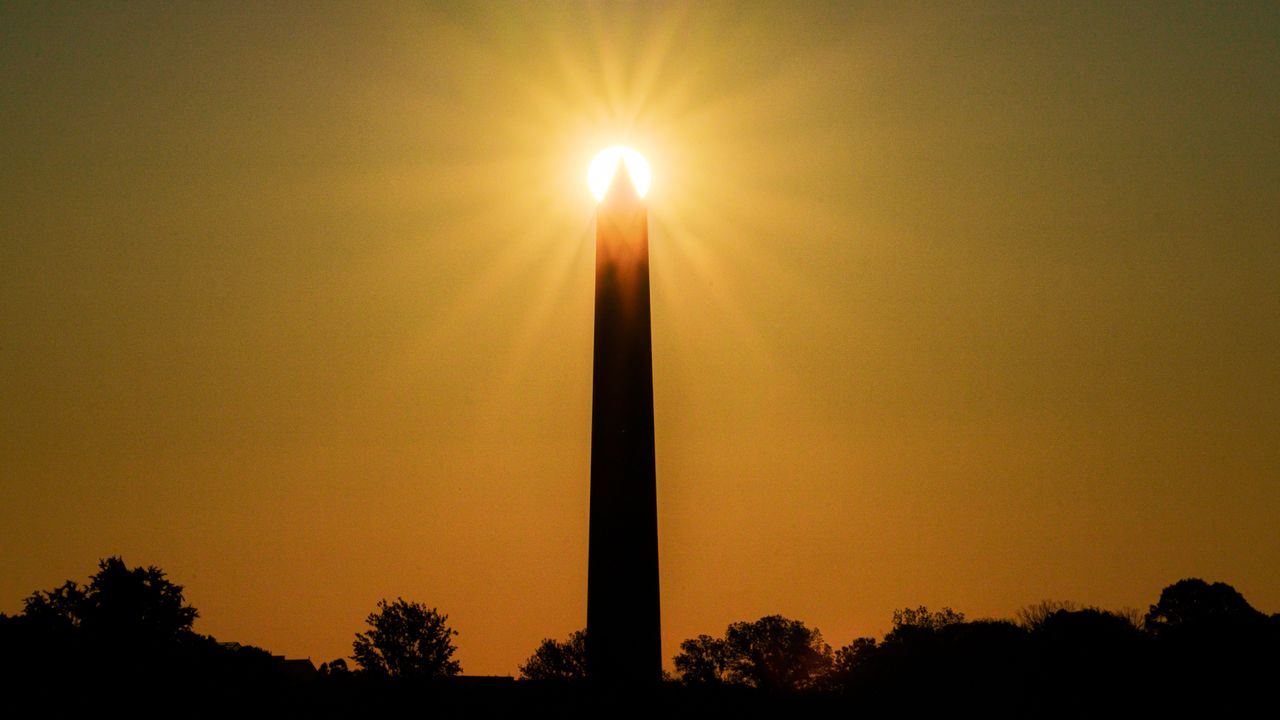
The summer solstice has arrived, marking the start of astronomical summer and the longest day of 2026 in the northern hemisphere. The summer solstice occurred at 4:24 a.m. …
The summer solstice has arrived, marking the start of astronomical summer and the longest day of 2026 in the northern hemisphere. The summer solstice occurred at 4:24 a.m. EDT (0824 GMT) on June 21, as Earth's north pole reached its most extreme tilt towards the sun in its yearly orbit, bathing the northern hemisphere in its light. As such, June 21 marks the start of astronomical summer, which is calculated based on the position of Earth relative to the sun, as opposed to meteorological summer, which is based on temperature and runs from the beginning of June through to the end of August . How much sunlight will you get on the day of the summer solstice? How much daylight you receive depends largely on your latitude. According to veteran meteorologist and Space.com columnist Joe Rao , it's all a question of latitude. "At the equator, the time from sunrise to sunset is about 12 hours. At temperate or mid-northern latitudes (approximately 40 degrees north) the length of daylight lasts about 15 hours," said Rao in an article for Space.com The effect of Earth's tilt is even more pronounced 66.5 degrees north of the equator in the Arctic Circle, where the sun won't set below the horizon at all, heralding a full 24 hours of daylight, often called the midnight sun . You can discover exactly how much daylight you'll get on June 21 using Time and Date's sunrise and sunset tracker . …
Original source: Space.com