The UK will scan asylum-seekers’ faces for age checks—despite knowing the tech is flawed
Ars Technica ·
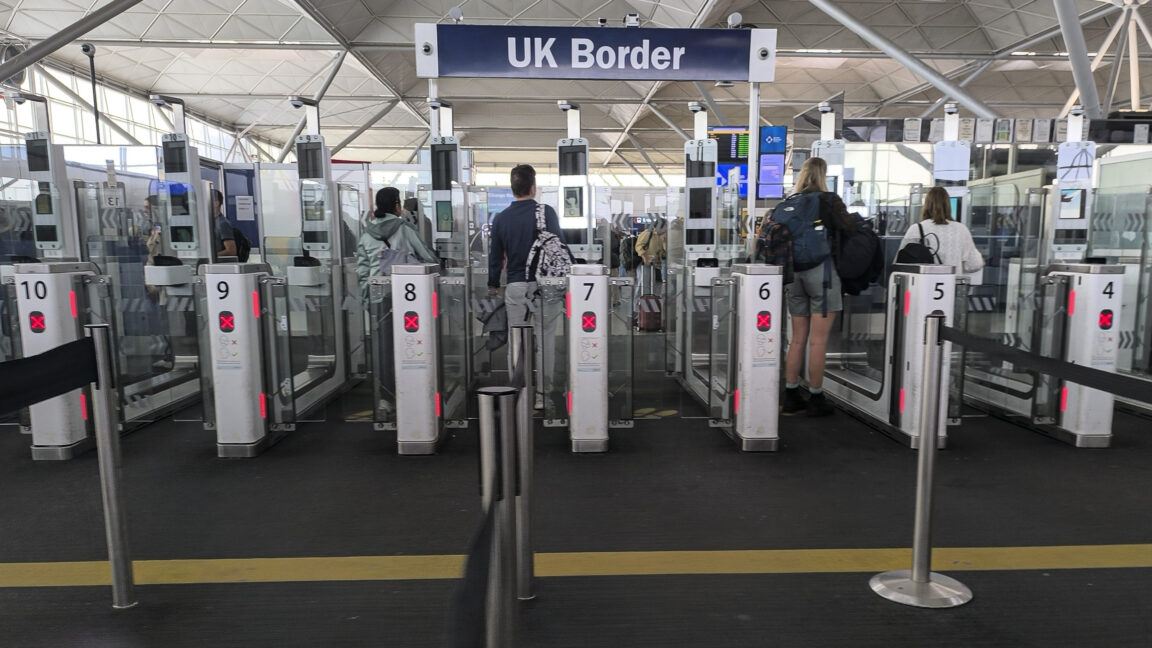
A spokesperson for Cognitec says they could not comment on their work with the Home Office; however, they point out that “demographic differences” in performance apply to all face scanning …
A spokesperson for Cognitec says they could not comment on their work with the Home Office; however, they point out that “demographic differences” in performance apply to all face scanning algorithms. “The reasons for bias are extremely complex and often related to image quality issues,” the spokesperson says. “The bias of Cognitec algorithms is low compared to other algorithms of similar overall accuracy, and be assured that we are diligently and continuously working on reducing bias by developing specific testing methodologies, designing loss functions in our network training, and by diversifying the training and testing data,” the spokesperson says. Stress test Even if accuracy can be improved, technology is rarely operated exactly how its creators intend. Bugs, technical flaws, and user error mean systems frequently produce errors. When coupled with sensitive decisions that may change people’s lives, those risks can be exacerbated. For years, according to previous reports from the UK’s Independent Chief Inspector of Borders and Immigration, the Home Office’s human-led age estimations have included problems. There have been instances of “poor” recording keeping, “perfunctory” visual assessments, and at times a lack of explanation from border staff about existing processes. Staff conducting age assessments were not provided with any specific training for the task until 2023, according to the last inspection report. …
Original source: Ars Technica