As global warming threatens corals, scientists search for reefs that can take the heat
Ars Technica ·
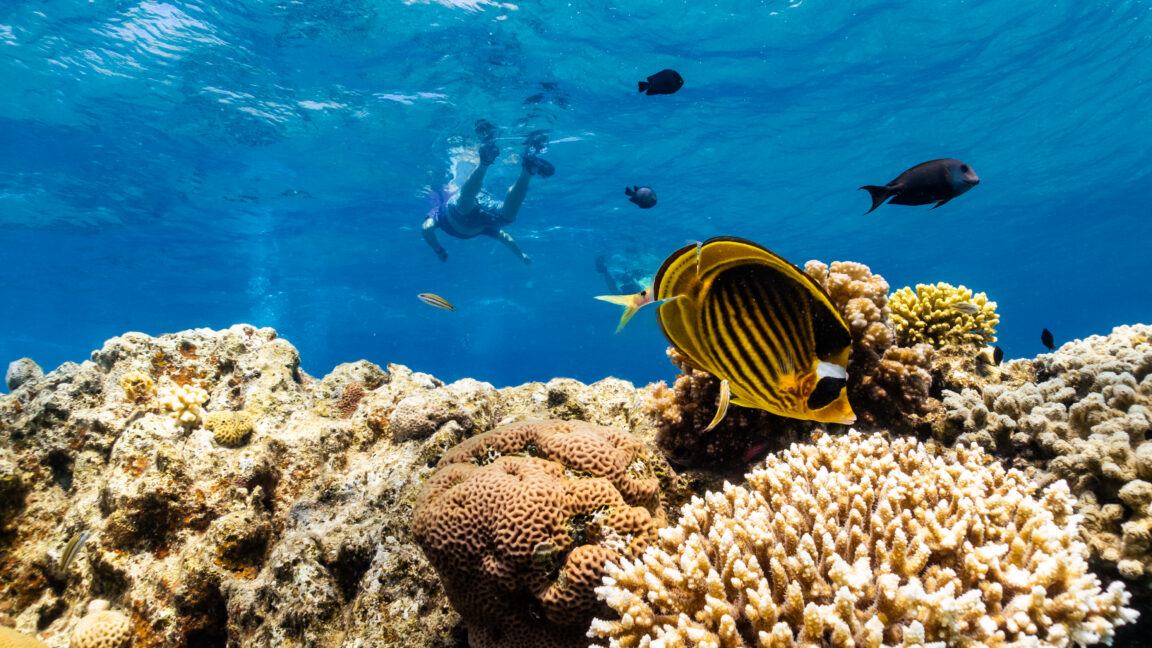
Coral larvae can drift hundreds of miles from their parents before settling on a reef for the rest of their lives. It was an ambitious idea, she said, that would require political support and …
Coral larvae can drift hundreds of miles from their parents before settling on a reef for the rest of their lives. It was an ambitious idea, she said, that would require political support and significant financial backing—about $10 million by her estimate—as well as community buy-in. Not every super reef can be cordoned off to fishing and other activities, she said. “People need to live. People need to eat. They need to fish.” It would be critical, she said, to consult with and co-design any protected areas in this corridor with communities that would be impacted, as is being done in Laura. But overall, the idea seemed feasible, the Marshall Islands Marine Resources Authority’s Edwards said. “The idea of creating a multi-national network of marine-protected areas connecting resilient reefs across the Marshall Islands, Kiribati, and Tuvalu is a very promising concept,” she said. Other experts agree. “Protecting source reefs and well-placed stepping stones between them can maintain dispersal networks that can share heat-tolerant adaptations and provide new coral larvae to help degraded reefs recover,” said Emily Darling, director of coral reefs at the Wildlife Conservation Society. “Accounting for connectivity between high-integrity, climate-resilient reefs multiplies their conservation value across an entire region.” Once established, Cohen said, this first Super Reef corridor could serve as a proof of concept for creating similar protected networks around the globe. …
Original source: Ars Technica
Mentioned
Maldives · Malaysia · Indonesia · Philippines · Indian Ocean · Chagos Islands · Marshall Islands