Ancient ground squirrels feasted on carcasses like ‘zombies of the Pleistocene’
Nature News ·
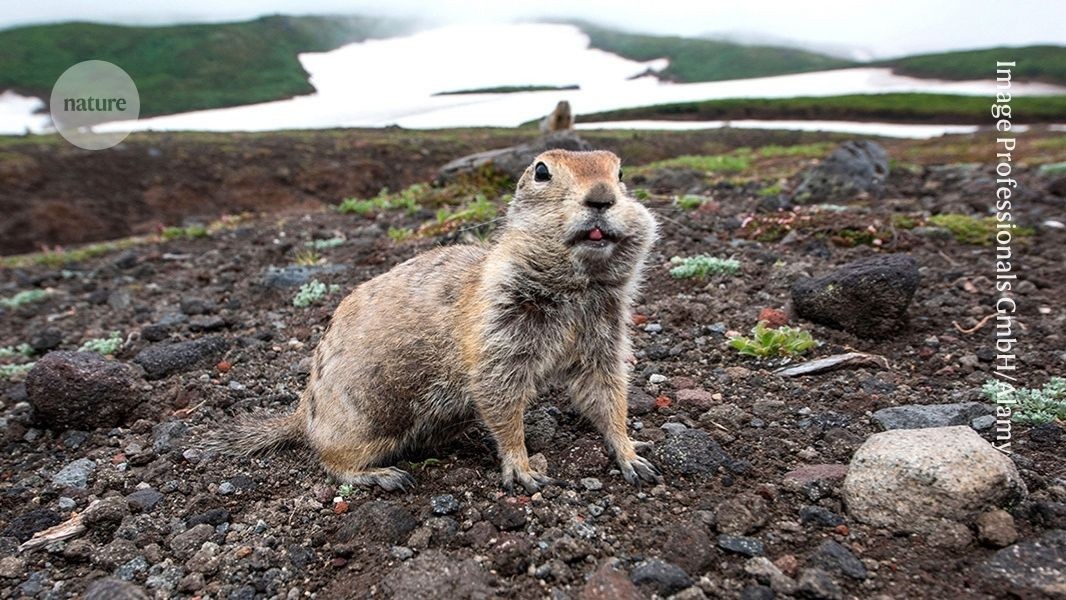
Ground squirrels go into a hibernation state called torpor for up to eight months. Credit: Image Professionals GmbH/Alamy Ground squirrels spend many months in a winter slumber, and then awake …
Ground squirrels go into a hibernation state called torpor for up to eight months. Credit: Image Professionals GmbH/Alamy Ground squirrels spend many months in a winter slumber, and then awake ravenous and eat anything and everything in sight. A study of 700,000-year-old DNA from coprolites — fossilized poo — has now revealed that when ancient relatives of ground squirrels (Urocitellus sp.) woke up, they ate a diverse diet of plants, insects and carcasses of megafauna, including woolly mammoths, bison and big cats. The DNA sequences, reported in a 9 June Nature Communications study 1 , reveal a previously unknown lineage of ground squirrel and, potentially, North America’s oldest mammoth DNA. There are 13 species of ground squirrel in the genus Urocitellus , which are found mostly in northwestern North America and Asia. Ground squirrels are named for their earthen burrows where they can spend up to eight months of the year in a hibernation-like state called torpor. When they emerge, “they’re desperate for protein and high-quality diet items”, says Bryan McLean, an evolutionary biologist at the University of North Carolina at Greensboro. “I’ve seen them eating roadkill individuals of the same species.” The coprolites, or pellets of fossilized faeces, were found in the Klondike region of Canada. …
Original source: Nature News