Good recycling starts at home — and benefits the world
Nature News ·
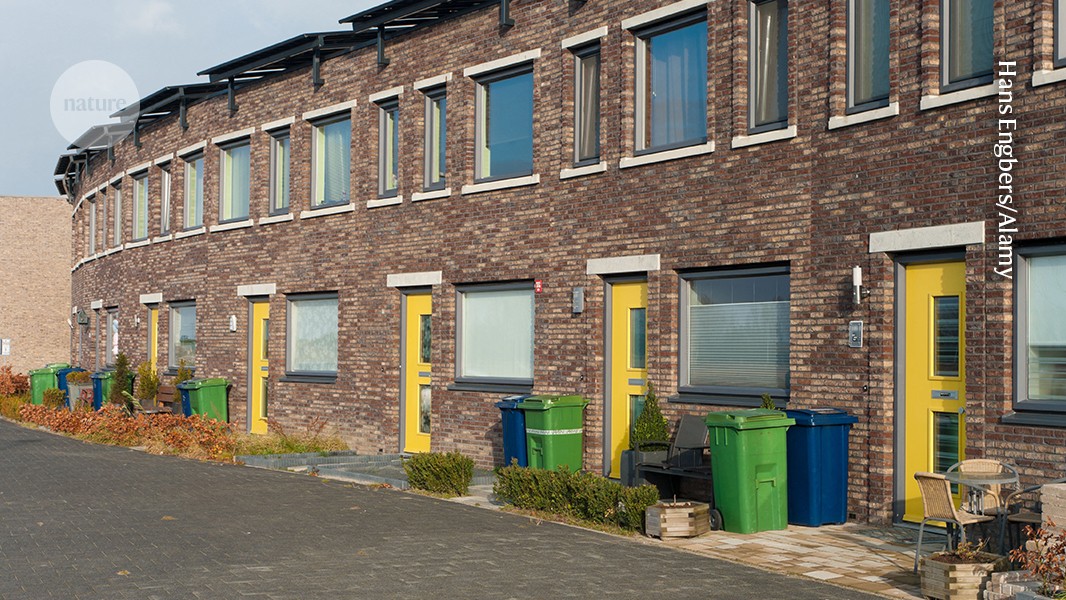
Households in the Netherlands are often asked to separate their waste before it is collected for recycling. Credit: Hans Engbers/Alamy The world produces more than 400 million tonnes of plastic each …
Households in the Netherlands are often asked to separate their waste before it is collected for recycling. Credit: Hans Engbers/Alamy The world produces more than 400 million tonnes of plastic each year, but less than one-tenth of this is recycled 1 . That is one reason why stalled talks for a United Nations treaty to end plastic pollution must restart. Substantive progress on the issues surrounding plastic waste and its environmental effects will require coordination within and between sectors, such as product design, consumer-behaviour research and collection, sorting and recycling technologies. Read the paper: Analysis of trade-offs of post-sorting plastic packaging One study 2 in Nature this week shines a spotlight on the comparative benefits of different methods of plastic-waste separation at a local level. It centres on the Netherlands, where municipal authorities must provide separate collection systems for different types of household waste — but are free to decide whether households should separate the waste or recycling plants should do this post-collection. Authorities in the study area make these decisions on the basis of the proportion of high-rise buildings in the area, cost, convenience of collection and quantity of litter. In general, more densely populated areas are more likely to use post-collection sorting. …
Original source: Nature News
Mentioned
Germany · Belgium · Australia · South Korea · Netherlands · United Nations