Tax-break trees: how woodland became a store of wealth for the rich
The Guardian Business ·
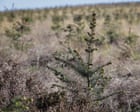
On the English-Scottish border a small species of butterfly, the northern brown argus, has fended off one of the biggest investors in the UK. …
On the English-Scottish border a small species of butterfly, the northern brown argus, has fended off one of the biggest investors in the UK. Todrig, with its heath moorlands and hundreds of species of flora and fauna, represents an investment that could save Britain’s wealthiest families millions of pounds in inheritance tax . But first the ground needs to be cleared, and sown with commercial tree saplings – a plan that has been defeated, for now, by the tiny butterfly. “No one wants this,” says Camilla Fowler, who chairs the local Lilliesleaf, Ashkirk and Midlem community council. “This kind of forestry scars the landscape and replaces it with monocultural, dark trees that harms our biodiversity.” A northern brown argus butterfly (Aricia artaxerxes). Photograph: Oliver Smart/Alamy Todrig – the size of about 560 football pitches – is the site of just one of many battles unfolding along the border, as big investors move in on vast expanses of land that can be stripped back and replanted for the mass production of timber. The “vulnerable” status of the northern brown argus has halted plans for a forest plantation in Todrig, after a legal challenge forced the local environmental regulator to carry out more checks. But Gresham House, the £11bn City of London investor that bought the land for £12m in 2022 – six times its price just three years before – is still aiming to turn the land into a tree farm. …
Original source: The Guardian Business