NASA's dead Mars orbiter MAVEN will crash into the Red Planet in the next 100 years. It's not the only probe in the Mars morgue
Space.com ·
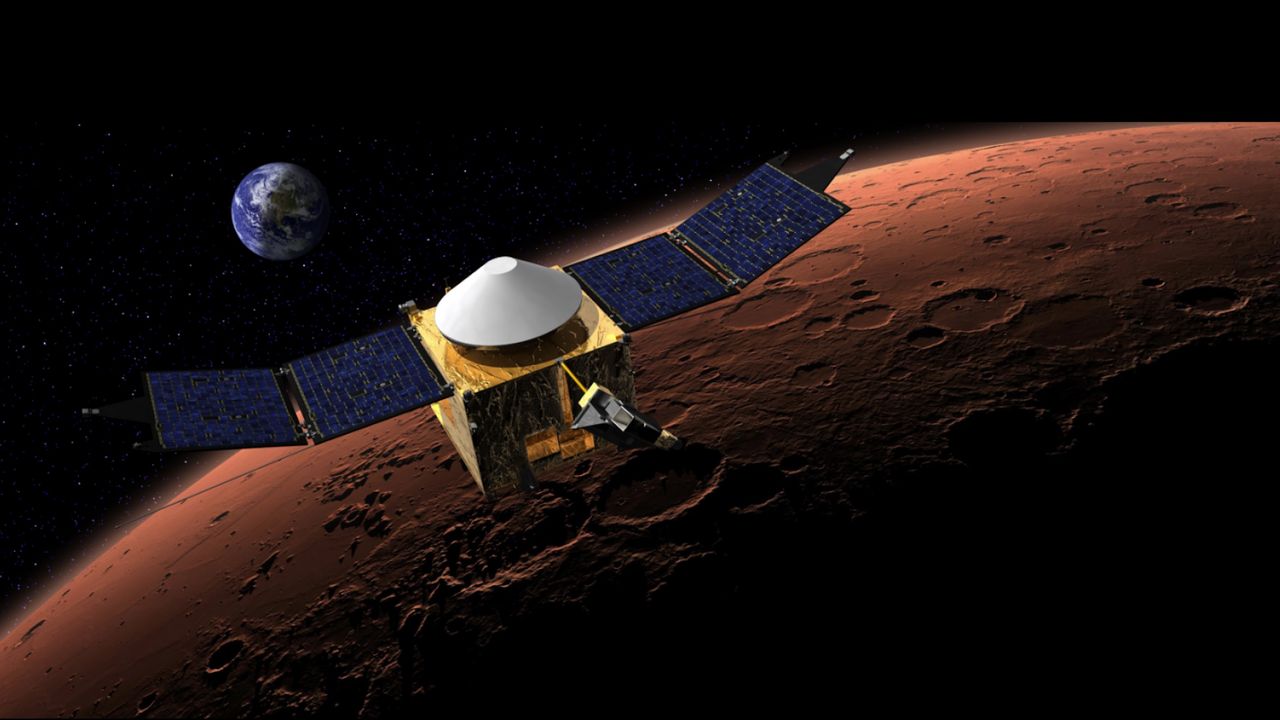
The Mars graveyard just welcomed another corpse. On Wednesday (June 3), NASA officially declared its MAVEN orbiter dead , closing the book on a highly successful mission that studied the Red Planet's …
The Mars graveyard just welcomed another corpse. On Wednesday (June 3), NASA officially declared its MAVEN orbiter dead , closing the book on a highly successful mission that studied the Red Planet's atmosphere for nearly a dozen years. The MAVEN team didn't script this ending; the orbiter went dark without warning this past December, and it remained silent despite repeated attempts to hail it. But MAVEN's ultimate fate would have been roughly the same even if its handlers had been able to shut it down in a controlled fashion. "The nominal plan for disposing of the spacecraft at the end of its mission was just to leave it in that nominal orbit, where it would remain for a period of 50 to 100 years before entering the Martian atmosphere," MAVEN Project Manager Mike Moreau, of NASA's Goddard Space Flight Center in Greenbelt, Maryland, said during a press conference on Wednesday. "So, the spacecraft's basically in a configuration, in an orbit, that's very similar to what it would have been if the mission had ended nominally," he added. And that's what happens to dead Mars orbiters: They generally keep circling for a half-century or more, until the planet's thin atmosphere drags them down and burns them up. Or the end could come considerably sooner, if they're unlucky enough to slam into one of their brethren or into Phobos or Deimos , the two moons of Mars. …
Original source: Space.com