Meteorite found in Sahara desert may be 1st evidence of lost solar system world
Space.com ·
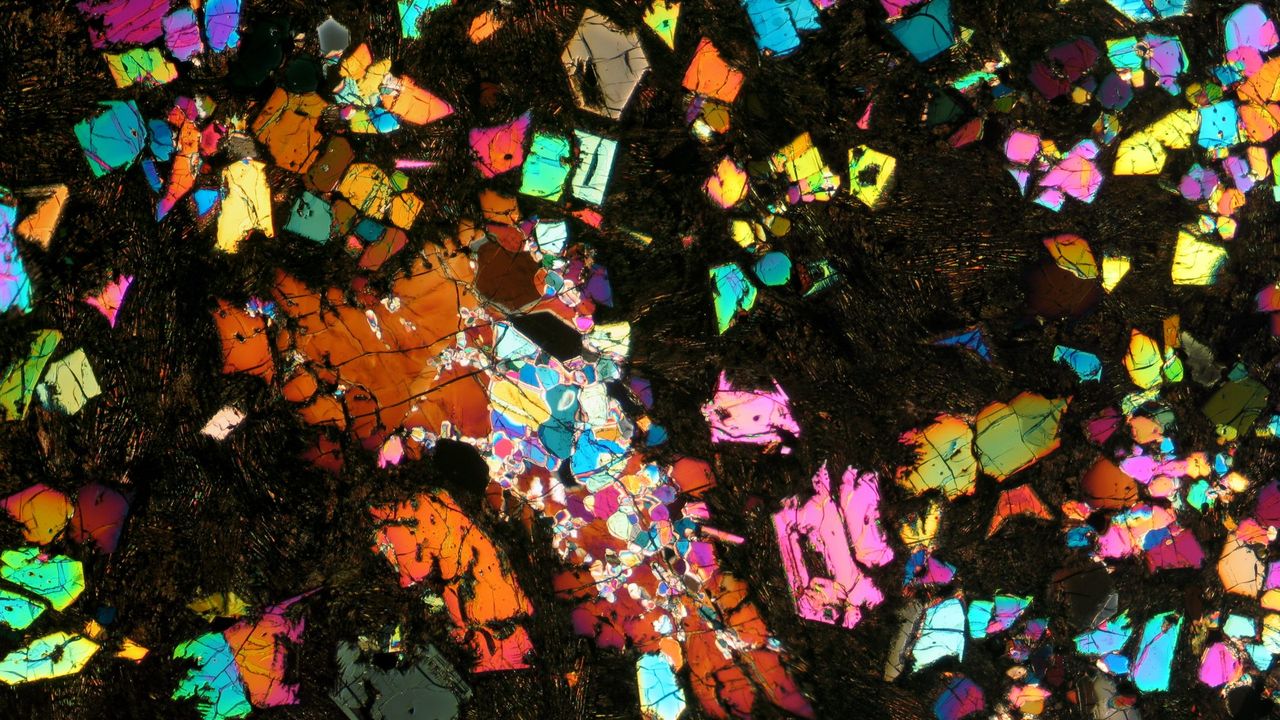
A rare meteorite recovered from the Sahara Desert contains the first definitive evidence of a long-lost world that may have rivaled the moon in size and existed just a few million years after the …
A rare meteorite recovered from the Sahara Desert contains the first definitive evidence of a long-lost world that may have rivaled the moon in size and existed just a few million years after the solar system formed 4.5 billion years ago, according to a new study. The meteorite , known as Northwest Africa (NWA) 12774, is a roughly one-pound (454-gram) rock discovered in the Sahara Desert in 2019. Scientists classify it as an angrite, a rare type of meteorite that ranks among the oldest volcanic rocks in the solar system . This particular chunk of space rock, known as NWA 12774, preserves an unusual chemical signature that suggests some of the solar system's earliest worlds developed differently from other rocky planets, researchers say. "The materials that formed the angrite parent body are fundamentally different from the ingredients of Earth and Mars," study lead author Aaron Bell , who is a geoscientist at the University of Colorado Boulder, said in a statement . "These meteorites preserved evidence of a completely different pathway through which early planets developed." By measuring tiny radioactive elements within them that act like natural clocks, scientists know that angrites formed alongside the young sun more than 4.5 billion years ago. As such, they preserve valuable clues about how planets formed and evolved, according to NASA . They are also remarkably scarce — only 68 of more than 80,000 meteorites recovered on Earth are known angrites. …
Original source: Space.com