Beans use an immune receptor to call in airstrikes on caterpillars
Ars Technica ·
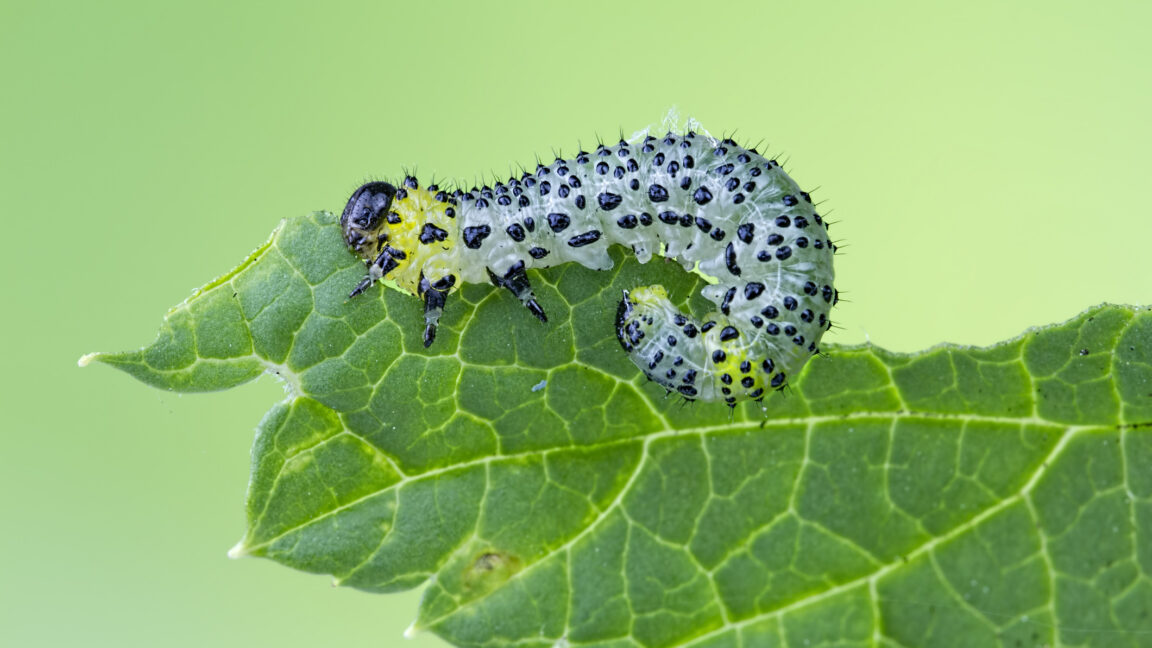
At the same time, the plants unable to detect the molecular signature of the caterpillar’s drool were largely ignored by the wasps. They weren’t completely defenseless, though. …
At the same time, the plants unable to detect the molecular signature of the caterpillar’s drool were largely ignored by the wasps. They weren’t completely defenseless, though. “There are other papers that show if you knock out all immune signaling, the caterpillars grow twice as big—they get enormous,” Steinbrenner says. This, he suggests, indicates the immune system had other pathways to deter herbivores like the caterpillars. Crop defense systems While the team connected the broken inceptin receptor to a muted distress call, the exact downstream immune signaling pathway isn’t fully understood. The authors suspect that the highly specific caterpillar detection they saw piggybacks on the plant’s general wound response, potentially triggering secondary internal alarms known as damage-associated molecular patterns, or DAMPs. Exactly how the initial receptor activation ultimately translates into the production of volatile organic compounds remains a puzzle. Another caveat lies in the choice of the attacker. The Spodoptera exigua , known as the beet armyworm, is a generalist herbivore, meaning it feeds on a wide variety of plants and is rather susceptible to botanical defenses. Specialist herbivores that feed on specific plants likely evolve metabolic countermeasures to detoxify or otherwise bypass chemical defenses of their hosts. …
Original source: Ars Technica