The future of science communication is not an article like this
Nature News ·
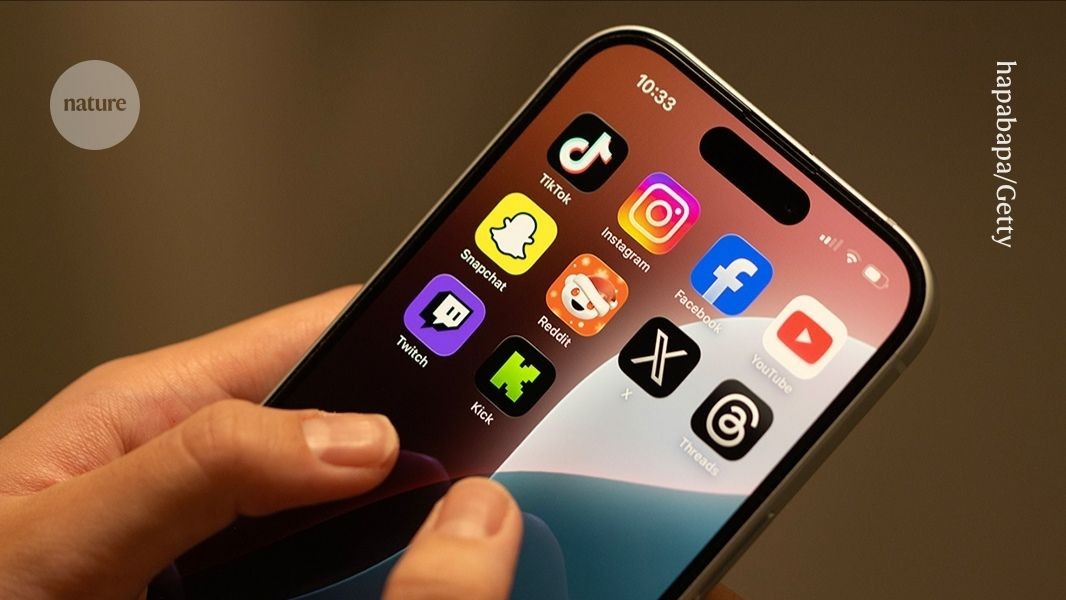
You have full access to this article via your institution. Video-first social-media platforms such as Instagram, TikTok and YouTube are replacing those that are based mainly on written content. …
You have full access to this article via your institution. Video-first social-media platforms such as Instagram, TikTok and YouTube are replacing those that are based mainly on written content. Credit: hapabapa/Getty The world is undergoing a generational shift in the way in which news is being reported and disseminated. Social-media platforms have upended who can make news content and at what cost. Information exchange is becoming faster, more visual and more personal. Short bursts of content compete for people’s attention in algorithmically curated feeds, increasingly generated by artificial-intelligence tools. The boundaries between news, opinion and entertainment content are becoming blurred — as is the dividing line between fact and fiction. The ‘PhD influencers’ logging lab life on TikTok and Instagram This could be one of the most marked shifts in how people access news since radio and television journalism emerged alongside that in printed media in the twentieth century. Researchers and scientific publishers need to better understand what is happening and engage and respond appropriately. The future of fact-based communication — including science communication — is at stake. The speed and scale of the shift is being monitored by the Reuters Institute for the Study of Journalism at the University of Oxford, UK, among others. For the past 14 years, the institute has produced a respected Digital News Report that tracks global trends in news consumption. …
Original source: Nature News
Mentioned
TikTok · YouTube · COVID-19 · Instagram · University of Oxford · World Health Organization