Can solar sails really send humans out into interstellar space?
Space.com ·
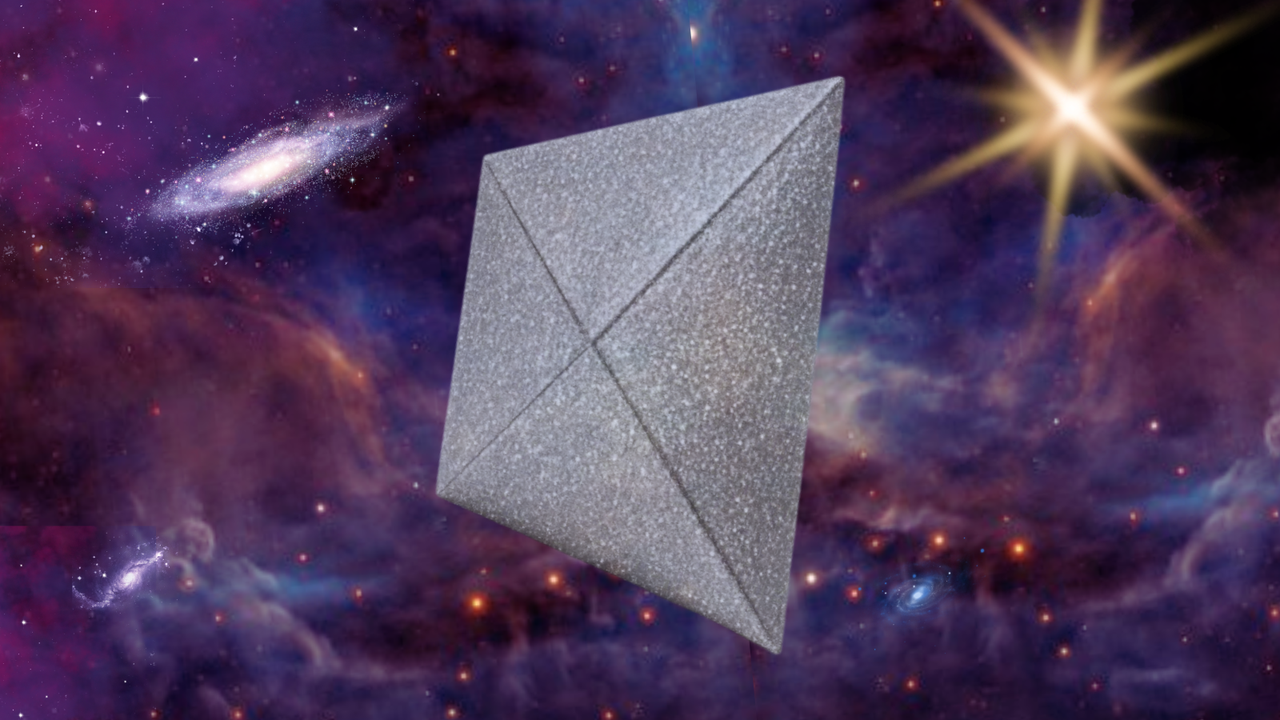
If humankind ever travels to distant stars, we might sail there — and it might be sooner than you think. Some of humanity's oldest ships used sails to harness the power of the wind, so it seems …
If humankind ever travels to distant stars, we might sail there — and it might be sooner than you think. Some of humanity's oldest ships used sails to harness the power of the wind, so it seems inevitable that we would do something similar in space. But instead of harnessing the wind for propulsion, scientists are developing ways to use light. The result? Solar sails : vast, but thin, sheets of specialized material built to harness the pressure of photons and propel spaceships across the cosmos. So far, solar sails have seen only a handful of proof-of-concept flights (including a flight to Venus ), experiments and simulations in labs around the world, and some very ambitious mission concepts. But a recent study by Imperial College London engineer Debdut Sengupta and his colleagues found that solar sails could carry spaceships to the edge of our solar system within the next 10 or 20 years. The exact future of solar sailing depends on who you ask, but it's looking less like From science fiction to spaceflight reality For the few solar sails have flown so far, engineers at labs around the world developed lightweight booms to hold sail membranes steady, more heat-resistant sail materials, and worked to refine better overall sail designs . Missions like The Planetary Society’s Lightsail 2 (launched in 2019) and Japan's Ikaros solar sail (which flew to Venus in 2010) proved that the fundamentals of lightsail propulsion could work. …
Original source: Space.com