From 'bling-bling' & disputes to unity: The transformation of PSG
BBC News ·
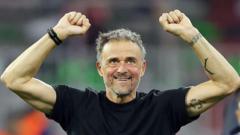
In 2011, PSG were a paradox: a major European capital with a vast talent pool, yet a club lacking structure, prestige and stability. …
In 2011, PSG were a paradox: a major European capital with a vast talent pool, yet a club lacking structure, prestige and stability. They had no stars, no sustainable model and no clear footballing philosophy. Despite having had big names like Ronaldinho, Pauleta, Ludovic Giuly and Claude Makelele in the first decade of the 21st Century, PSG needed to be seen in the eyes of the football world as relevant and credible before they could even dream of competing with Europe's elite. The ultras were banned after violence ended in the death of a fan, leaving the Parc des Princes without its most passionate supporters for the first five years of the new era. They only came back in 2016 when Al-Khelaifi decided the majority could not be held responsible for the actions of a few. The early years of QSI were defined by aggressive spending. Critics labelled it the 'bling‑bling era' but internally it was seen as the quickest way to get to the top. As is the case with Newcastle and Manchester City, PSG have had to answer questions about the source of their funding and their owners have been accused of 'sportswashing', which is when nations invest in sports to help clean up their tarnished reputations. Signing global superstars - Zlatan Ibrahimovic, Neymar, Kylian Mbappe, Lionel Messi - helped force PSG into the global conversation. This phase brought domestic dominance and deep Champions League runs. But it also created internal tensions. …
Original source: BBC News
Mentioned
Newcastle United · Kylian Mbappe · Manchester City · Champions League