Analysis of Texas measles outbreak shows just how dangerous virus is
Ars Technica ·
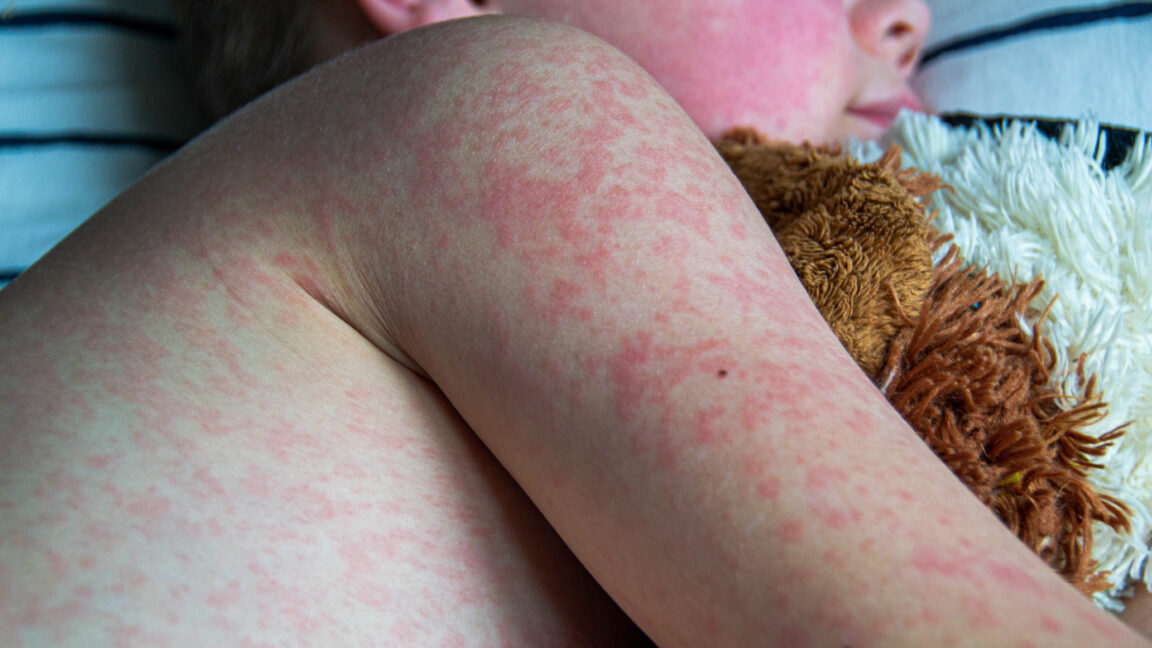
Outcomes Only six of the 54 hospitalized patients had an underlying medical condition that may have put them at higher risk. None of the 54 hospitalized patients were immunocompromised. …
Outcomes Only six of the 54 hospitalized patients had an underlying medical condition that may have put them at higher risk. None of the 54 hospitalized patients were immunocompromised. Of the 54 hospitalized, 47 (87 percent) developed a complication of measles, including 39 (72 percent) who developed pneumonia, 25 (46 percent) had dehydration, and 21 (39 percent) developed diarrhea. Seventeen (31.5 percent) patients developed co-infections with other pathogens, a known risk with measles, and 28 (52 percent) were treated with antibiotics. Thirty-eight (70.4 percent) patients required supplemental oxygen to breathe. Thirty-seven (68.5 percent) experienced hypoxia, which is insufficient oxygen levels to support the body. Four of the hospitalized patients, all children, required treatment in an intensive care unit. Three had dehydration. Two required intubation and mechanical ventilation. One child died. (There was a second child death in the Texas outbreak, but it occurred after the timeframe of the study and was not included.) Of the five adults, four were pregnant women. Two of them gave birth during their hospitalizations and their two infants were diagnosed with active measles cases. One infant went on to experience symptoms suggestive of acute measles meningoencephalitis and was hospitalized weeks later, outside the timeframe of the study. …
Original source: Ars Technica