Here's why the failure of Blue Origin's New Glenn rocket is so catastrophic
Ars Technica ·
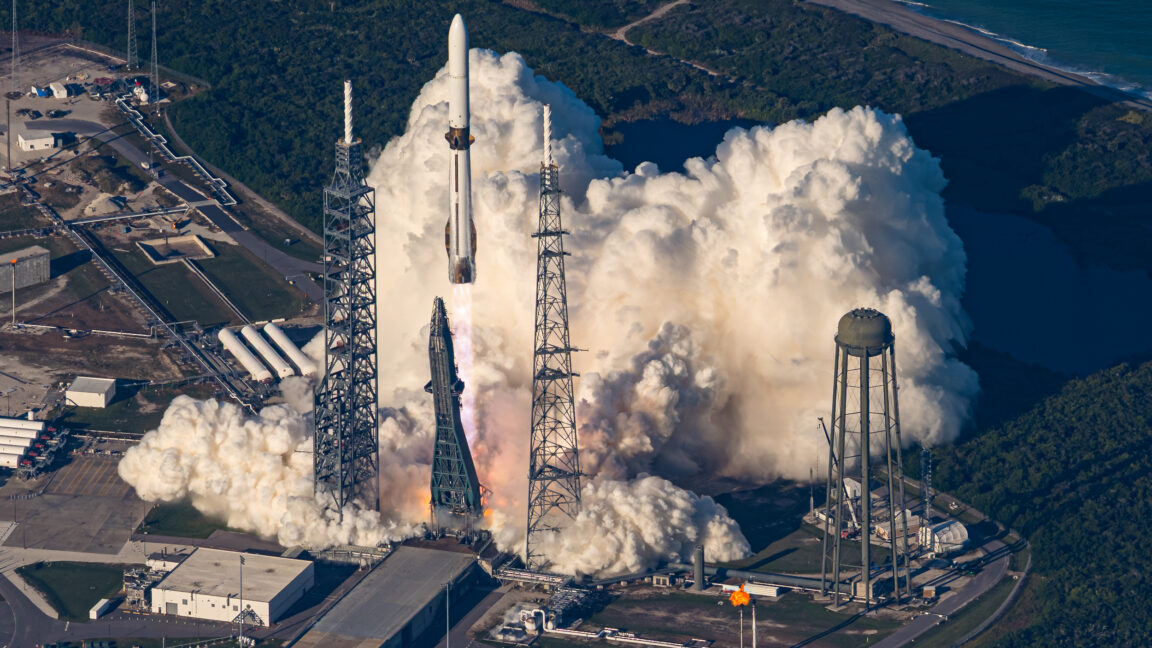
Rebuilding the company’s pad, or finishing a new one, will likely take at least a year, even with a major effort by Blue Origin, and drawing upon Jeff Bezos’ nearly infinite resources. …
Rebuilding the company’s pad, or finishing a new one, will likely take at least a year, even with a major effort by Blue Origin, and drawing upon Jeff Bezos’ nearly infinite resources. One source familiar with pad rebuilds estimated that 15 months was a “best case” scenario. A maturing design You might wonder what the big deal is. SpaceX has been blowing up Starship rockets left and right, and the space nerds seem to be cheering them on. The reality is that Blue Origin took a more traditional design route with New Glenn, as opposed to SpaceX’s iterative design, which seeks to test, fly, fail, and fix hardware. The New Glenn first stage had performed nearly flawlessly during its first three flights. It is a mature design. Because of this, Blue Origin had reached the point where it was poised to begin near-monthly launches of the vehicle during the second half of the year, serving a variety of customers, from NASA to Amazon, AST SpaceMobile, and its own internal payloads. With the Vulcan rocket also currently offline due to an anomaly, it once again places all of the US medium- and heavy-lift launch capacity in SpaceX’s basket, with its Falcon 9 and Falcon Heavy rockets. Speaking of Vulcan, if this is a problem with the BE-4 engine—and early indications are that the anomaly leading to Thursday night’s failure originated in the central engine of the booster—it would further compound United Launch Alliance’s difficulties in getting the large rocket back into service. …
Original source: Ars Technica
Mentioned
NASA · SpaceX · Vulcan · Amazon · Moon Base · New Glenn · Jeff Bezos