Tenderness and Rage: how groups affected by HIV found power, comfort and joy in Aids activism
The Guardian World ·
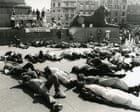
F rom photos of a mass “die-in” by Aids activists in Trafalgar Square, London , in the 1990s to plushie breasts, lips and vulvas hand-stitched by HIV-positive women, a new exhibition explores how …
F rom photos of a mass “die-in” by Aids activists in Trafalgar Square, London , in the 1990s to plushie breasts, lips and vulvas hand-stitched by HIV-positive women, a new exhibition explores how care and protest have improved the rights and dignity of those living with the disease. 1. Female body parts from ‘Our Powerful Bodies’ workshop: breasts, vagina and lips, 2. Power Bag: Silvia Petretti, 3. Power Bag: Charity Nyrienda. Photograph: Jill Mead/Positively UK, Bishopsgate Institute The show, Tenderness and Rage , at the Wellcome Collection , London, reflects how different groups affected by HIV, including gay men, women of colour, and refugees in the UK and around the world have found power, solidarity, comfort and joy in Aids activism and support services. The show begins by looking back at the Aids epidemic in London in the early 1990s. A documentary, Dancing Whilst Diagnosed, tells the story of the Landmark, a drop-in centre in Tulse Hill, south London, for people affected by HIV/Aids. Former staff and volunteers recall helping people with the violence, stigma and discrimination that came with diagnosis. But they also reveal the joy and solidarity service users found in a rare safe space, including parties with DJs, drag queens and African music. Marc Thompson, a former service user who went on to work in HIV prevention and sexual health , said: “It was the only place that I felt really safe about my HIV. I didn’t have to disclose it to anybody. …
Original source: The Guardian World