NASA is hatching a 'fast-paced plan' to boost this space telescope. But first, they'll have to find it
Space.com ·
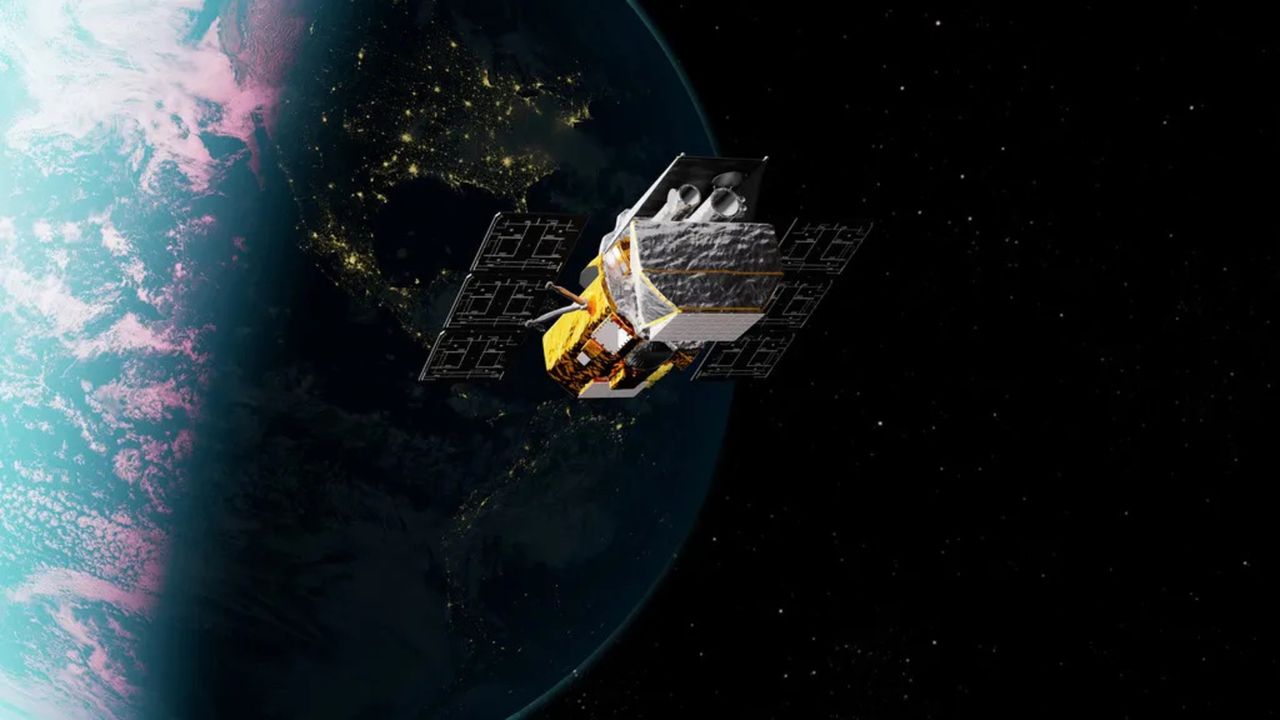
It's getting to be crunch time for a groundbreaking satellite-rescue mission. A private spacecraft called "Link" is set to lift off late next month to meet up with NASA's Neil Gehrels Swift …
It's getting to be crunch time for a groundbreaking satellite-rescue mission. A private spacecraft called "Link" is set to lift off late next month to meet up with NASA's Neil Gehrels Swift Observatory , which launched to low Earth orbit (LEO) in 2004 to hunt for powerful space explosions known as gamma-ray bursts. Swift is still working just fine. But atmospheric drag is pulling it down at an ever-increasing rate, and the telescope is powerless to resist; it doesn't have a propulsion system. Link will be the scope's savior, if all goes to plan, meeting up with Swift in LEO and boosting it to a higher altitude. Engineers from Katalyst stabilize their LINK robotic servicing spacecraft as it moves into a vibration chamber at NASA's Goddard Space Flight Center on April 15, 2026. (Image credit: NASA/Scott Wiessinger) This plan is bold and unprecedented. Link, built by Arizona-based Katalyst Space Technologies, aims to become the first private spacecraft ever to capture a robotic satellite operated by the U.S. government. Doing so will not be easy, especially since it's unclear where exactly Swift will be in the coming months. That's because Earth's atmosphere — and therefore the drag it imposes on orbiting spacecraft — is not static. Our blanket of air expands when the sun is active and contracts during times of solar quiescence. Solar activity waxes and wanes on an 11-year cycle , the most recent of which peaked in 2024. …
Original source: Space.com