GDP and beyond: why treating nature as capital cannot save the planet
Nature News ·
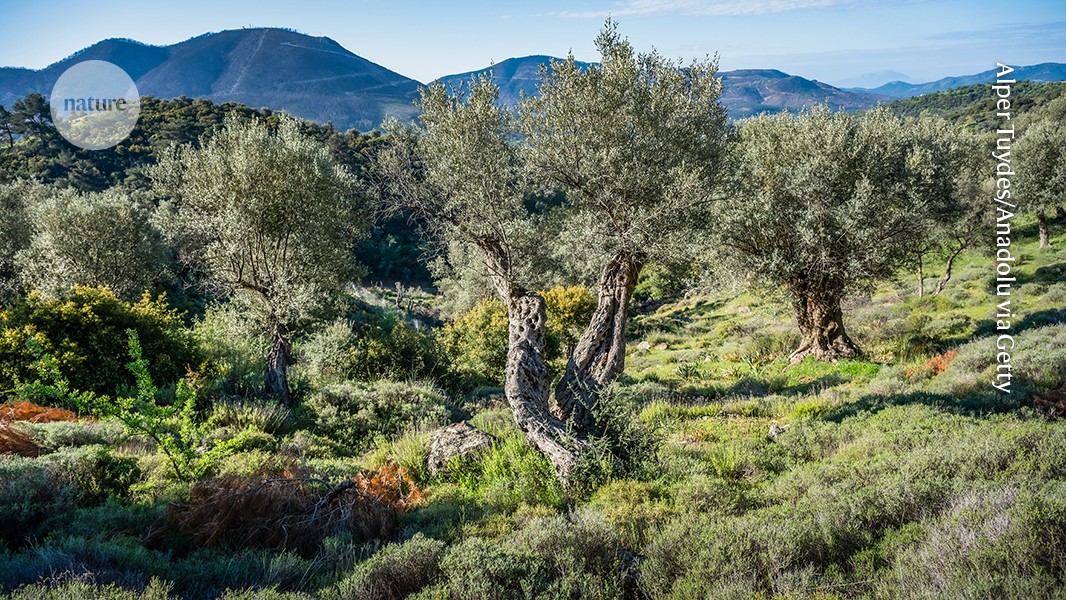
A woodland’s ability to regulate water, soils and carbon can’t be priced. Credit: Alper Tuydes/Anadolu via Getty Humanity’s inability to manage natural resources is putting the world under strain. …
A woodland’s ability to regulate water, soils and carbon can’t be priced. Credit: Alper Tuydes/Anadolu via Getty Humanity’s inability to manage natural resources is putting the world under strain. To end this free-for-all, some economists want to put a price on nature , to motivate people to conserve more and use less. But a purely economic approach will not address the worst problems that the planet faces. On 7 May, an expert group convened by the United Nations delivered its recommendations for metrics of national development to complement gross domestic product (GDP). It proposed 31 indicators , covering foundational principles, well-being, equity and sustainability. The report, Counting What Counts , deserves recognition. Its dashboard of measures acknowledges that sustainable development is multidimensional. Its refusal to cram all the facets of human well-being into one index is a theoretically sound and intellectually courageous choice. Science can take the lead in making better measures of economic growth However, the report is not an unsinkable vessel. The approach it endorses is comprehensive wealth accounting, which considers produced, human, social and natural capitals as stocks on a national balance sheet. This is fine for evaluating the financial value of timber in a forest or domestic work, say — neither of which is included in GDP. But it is not enough to protect the planet from existential risks. …
Original source: Nature News