Salem witch trials help explain why Faithfuls fail to spot real Traitors, says David Olusoga
The Guardian World ·
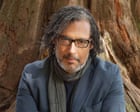
History might explain why Faithfuls find it so difficult to root out Traitors in the hit BBC show, suggests one member of the Celebrity Traitors cohort, who were record-breakingly bad at the game. …
History might explain why Faithfuls find it so difficult to root out Traitors in the hit BBC show, suggests one member of the Celebrity Traitors cohort, who were record-breakingly bad at the game. The roundtable – where contestants discuss who should be cast out – was somewhat “frightening” because of the “velocity in which something goes from a suspicion to belief, to faith, to condemnation”, said the broadcaster and historian David Olusoga . He spoke as part of a panel at Hay festival on Tuesday, alongside his fellow cast members Clare Balding and Harriet Tyce. Asked what overconfidence in identifying “traitors and hidden enemies” had led to historically, Olusoga said: “It’s at the heart of what happens in Stalin’s Russia, I think it’s at the heart of what happens in the Salem witch trials at the end of the 17th century, of the Spanish inquisition.” The idea of “denouncement” – that “what we are swayed by is a voice that is confident, that begins the rumours” – was the “most important thing”. Olusoga said the best example of this was the “myth” of the Gestapo: arrests and imprisonments “weren’t started by surveillance by the Gestapo, they were started because somebody phoned them up, or someone sent them a letter, or somebody popped in and had a word with them. “It was somebody saying, ‘I think it’s them, I heard them’,” he continued. …
Original source: The Guardian World