Why are PFASs so hard to replace?
Nature News ·
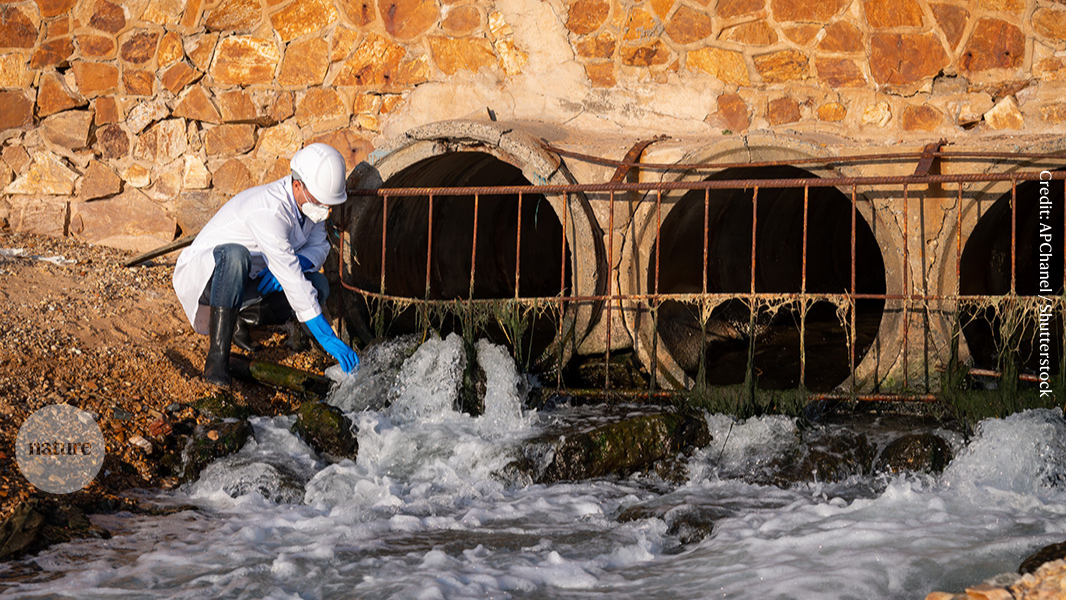
Fluorine, one of the smallest atoms of the elements in the periodic table, brings impressive properties to tens of thousands of products. …
Fluorine, one of the smallest atoms of the elements in the periodic table, brings impressive properties to tens of thousands of products. Adding an atom of fluorine into a drug molecule can make it more potent by slowing its breaking down in the body. The electrolytes used to shuttle ions through lithium-ion batteries are fluorine-containing materials. Refrigerants for keeping food fresh, medicines safe and buildings cool, often contain fluorine, as do propellants used to release gases in asthma inhalers and fire extinguishers. Fluorine is also a key component in the stable polymers used for non-stick cookware coatings and waterproof materials. Nature Index 2026 Chemistry But fluorine’s ability to add stability has a dangerous legacy: ‘forever chemicals’ , or per- and polyfluoroalkyl substances (PFASs), that have infiltrated every inch of Earth, from breastmilk to the snowy heights of Mount Everest. Some of the most problematic PFASs that have been used in non-stick cookware and waterproof coatings, as well as other applications, are toxic to humans, disrupting hormones and causing problems for parts of the body such as the liver and thyroid. …
Original source: Nature News