Iran demands Big Tech pay fees for undersea Internet cables in Strait of Hormuz
Ars Technica ·
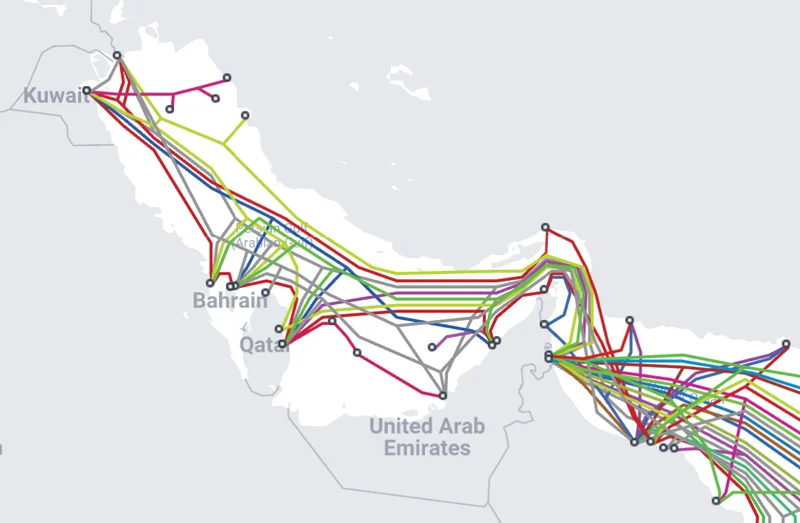
“Operators face a choice: pay protection fees and accept Iranian licensing over Middle East Gulf seabed activity, or accept that future faults may go unrepaired indefinitely,” said Windward , a …
“Operators face a choice: pay protection fees and accept Iranian licensing over Middle East Gulf seabed activity, or accept that future faults may go unrepaired indefinitely,” said Windward , a maritime intelligence company, in a blog post. “A single transoceanic cable system costs between $300 million and $1 billion to deploy. The expected value of an Iranian protection fee, from Tehran’s perspective, is structured to sit well below that.” The Strait of Hormuz has already been a no-go region for repair ships since the conflict began early this year—and new cable projects have also been halted. In March, the French state-owned company Alcatel Submarine Networks notified customers that it could not fulfill ongoing contracts due to one of its main cable-laying ships being stranded near Saudi Arabia, according to Bloomberg . That led to the suspension of a Meta-backed undersea cable project aimed at expanding Internet service across Africa. Multicolored lines show undersea Internet cable routes running through the Strait of Hormuz. Multicolored lines show undersea Internet cable routes running through the Strait of Hormuz. Credit: TeleGeography Going by land All this has spurred efforts by US tech companies and Gulf countries to develop overland routes for Internet cables that bypass the Strait of Hormuz, according to Rest of World . …
Original source: Ars Technica
Mentioned
Ethiopia · Big Tech · Bloomberg · Saudi Arabia · Hormuz · Amazon Web Services · United Arab Emirates