How ISWAP and Boko Haram are reshaping the Lake Chad Basin
Al Jazeera English ·
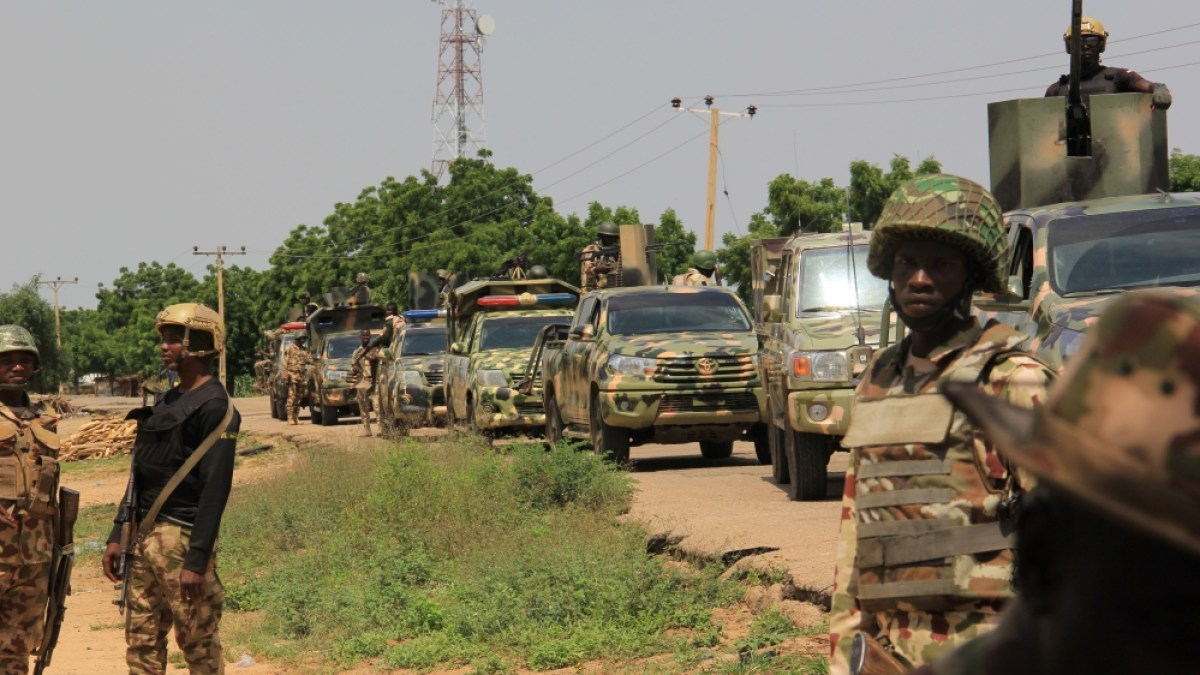
Abuja, Nigeria – The killing of Abu-Bilal al-Minuki, the second-in-command of ISIL (ISIS), by United States and Nigerian forces marks a notable achievement for “counterterrorism”. …
Abuja, Nigeria – The killing of Abu-Bilal al-Minuki, the second-in-command of ISIL (ISIS), by United States and Nigerian forces marks a notable achievement for “counterterrorism”. Yet for analysts observing the Lake Chad Basin, it highlights how persistent and complex insecurity in the region has become. Al-Minuki, a Nigerian national from Borno State, was operating out of a compound near Lake Chad, at the centre of one of the world’s most active armed group theatres. Recommended Stories list of 1 item end of list His choice of northeastern Nigeria as a base underscores the conditions driving a renewed surge of violence by both the ISIL affiliate in West Africa Province (ISWAP) and its rival, Jama’at Ahl al-Sunna li al-Da’wa wa al-Jihad (JAS), more widely known as Boko Haram. Perhaps equally significant is the parallel resurgence of Boko Haram, which quietly rebuilt itself while security agencies primarily focused on the more dominant ISWAP. “While regional forces focused on countering ISWAP’s threats, partly due to the group’s advanced drone capabilities, Boko Haram appears to have taken advantage of the relative attention on its rival to regroup,” Nimi Princewill, a security expert in the Sahel, told Al Jazeera. …
Original source: Al Jazeera English