The foreign fighters who helped topple Assad — and why China worries about them
NPR News ·
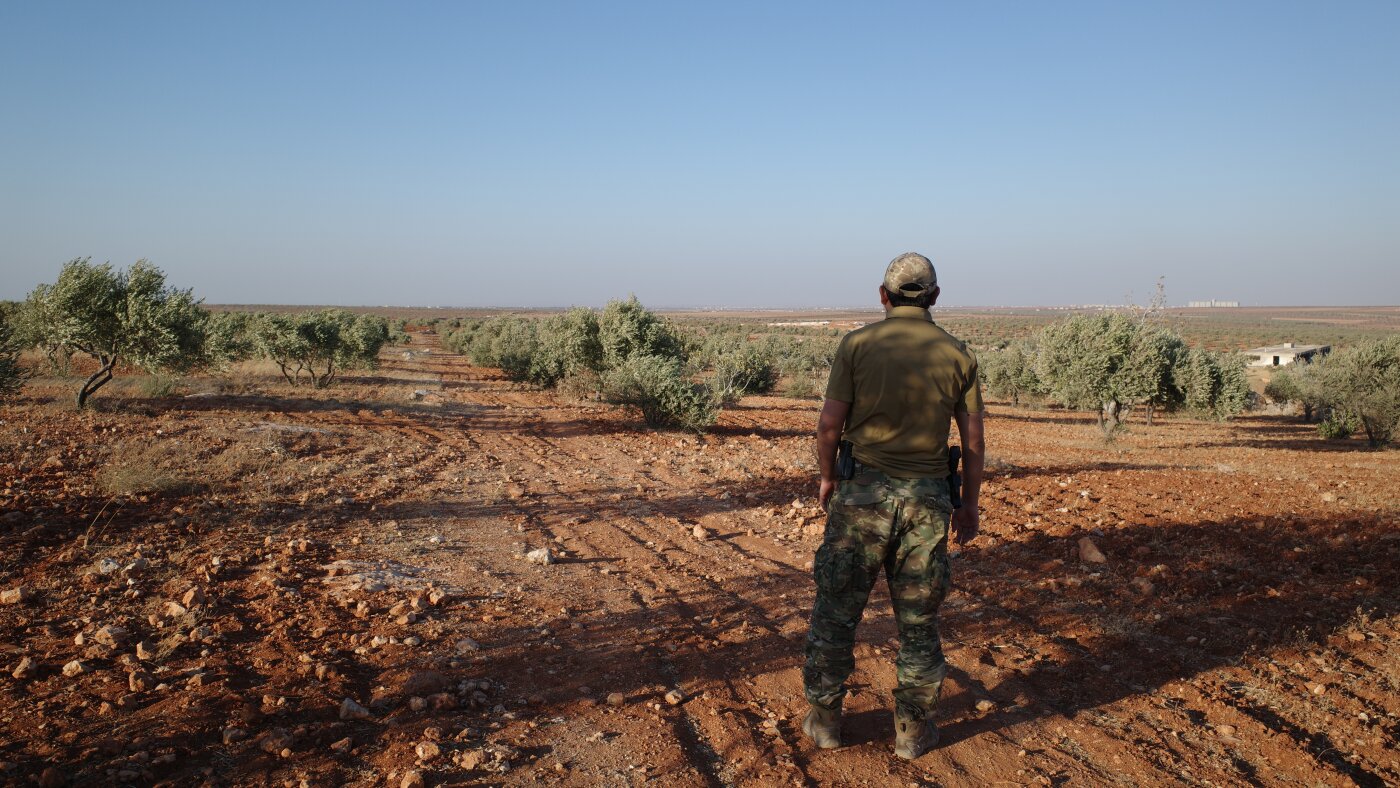
A senior Uyghur militant stands in an olive grove in northern Syria, where Uyghur commanders say their fighters began an ultimately successful assault on Syrian regime forces in November 2024. …
A senior Uyghur militant stands in an olive grove in northern Syria, where Uyghur commanders say their fighters began an ultimately successful assault on Syrian regime forces in November 2024. Emily Feng/NPR hide caption toggle caption Emily Feng/NPR JISR AL-SHUGHUR, Syria — The plan was daring: Under cover of night, an elite group of forces would ambush Syrian government soldiers and cut off strategic supply lines supporting the regime-held northern city of Aleppo . For months, the fighters had been quietly clearing a disused water tunnel just over 2 miles long, deep behind enemy lines in the countryside around Aleppo. During a secret meeting with Ahmed al-Sharaa — then the leader of the rebel group Hayat Tahrir al-Sham and now the leader of Syria — they agreed to prepare a joint assault to liberate Aleppo from regime control. These elite fighters were not from Syria. They were Uyghurs — a largely Muslim ethnic minority long persecuted in China. And when the offensive kicked off one night in November 2024, they went to work. Hobayd, a senior commander of the Uyghur militants in Syria, crouches in a strategic tunnel used during the 2024 offensive against then-President Bashar al-Assad's regime. Emily Feng/NPR hide caption toggle caption Emily Feng/NPR One unit of soldiers wearing oxygen tanks stationed itself in the poorly ventilated tunnel, which at points was less than a yard high. A second unit lay in wait in olive groves facing Aleppo. …
Original source: NPR News