I thought my backyard had too much light pollution for astrophotography. This telescope proved me wrong
Space.com ·
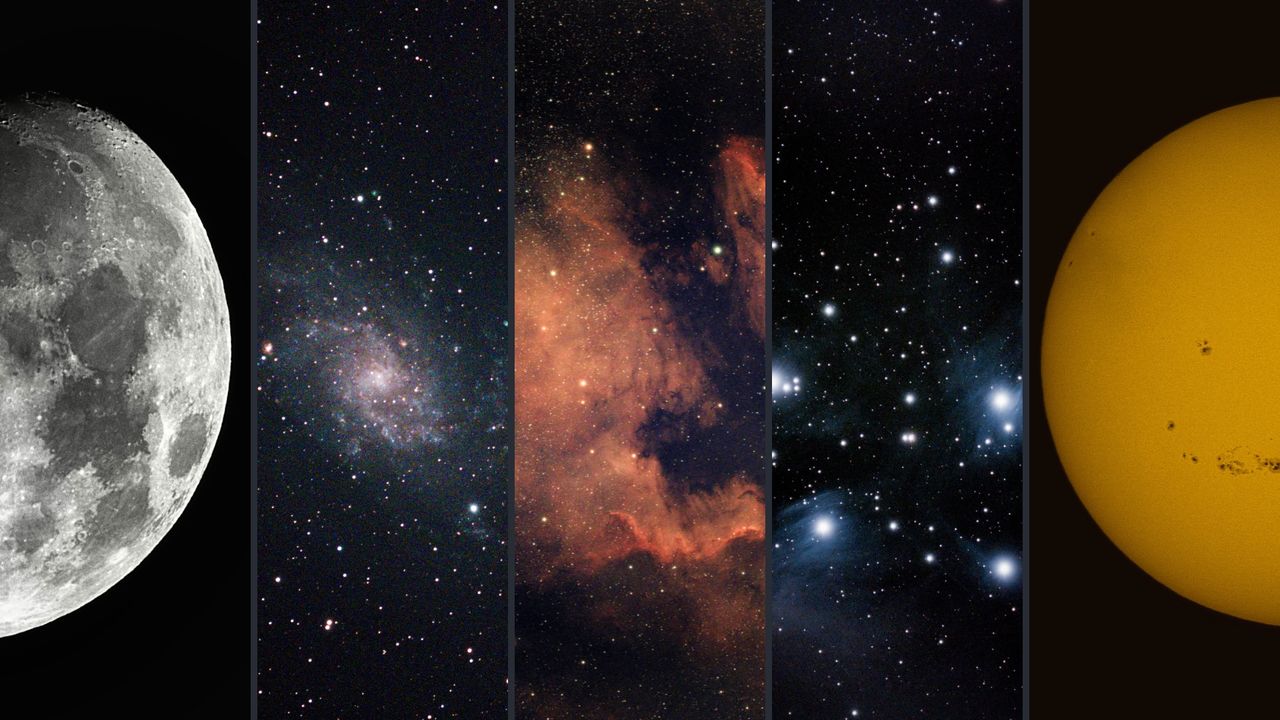
I live under heavily light-polluted suburban skies in Nottingham, U.K., where the glow of streetlights often drowns out all but the brightest of stars. …
I live under heavily light-polluted suburban skies in Nottingham, U.K., where the glow of streetlights often drowns out all but the brightest of stars. My backyard — boxed in by rows of terraced houses — offers only a small window of visible sky, and on most nights I'm lucky if I can spot the Pleiades with the naked eye. Astrophotography always felt out of reach. So when I set up the Vaonis Vespera Pro telescope for the first time, I wasn't expecting much. What happened next genuinely surprised me. While Vaonis loaned me the Vaonis Vespera Pro telescope for testing, I wasn't expecting to be nearly this impressed by what it could do under my suburban skies. All opinions in this article are my own. Not long after setting up the Vaonis Vespera Pro , I watched on my phone as the telescope began to capture light. Within minutes, I could make out the delicate wisps of the Veil Nebula appear in the Vaonis Singularity app. Then came the color — vibrant ribbons of red slowly painting the cosmos across my screen. There it was, the Veil Nebula, around 2,100 light-years away in the constellation Cygnus. Yet watching it gradually reveal itself in the palm of my hand made it feel closer than ever. It wasn't long before the typical English weather rolled in and clouds swallowed the sky. But thanks to the telescope's multi-night exposure mode, I could simply pause my observations and continue them another evening. That quickly became one of my favorite features. …
Original source: Space.com
Mentioned
Earth · English · Pleiades · Nottingham · Triangulum Galaxy