Protein in Homo erectus teeth suggests Denisovans gave us some of their DNA
Ars Technica ·
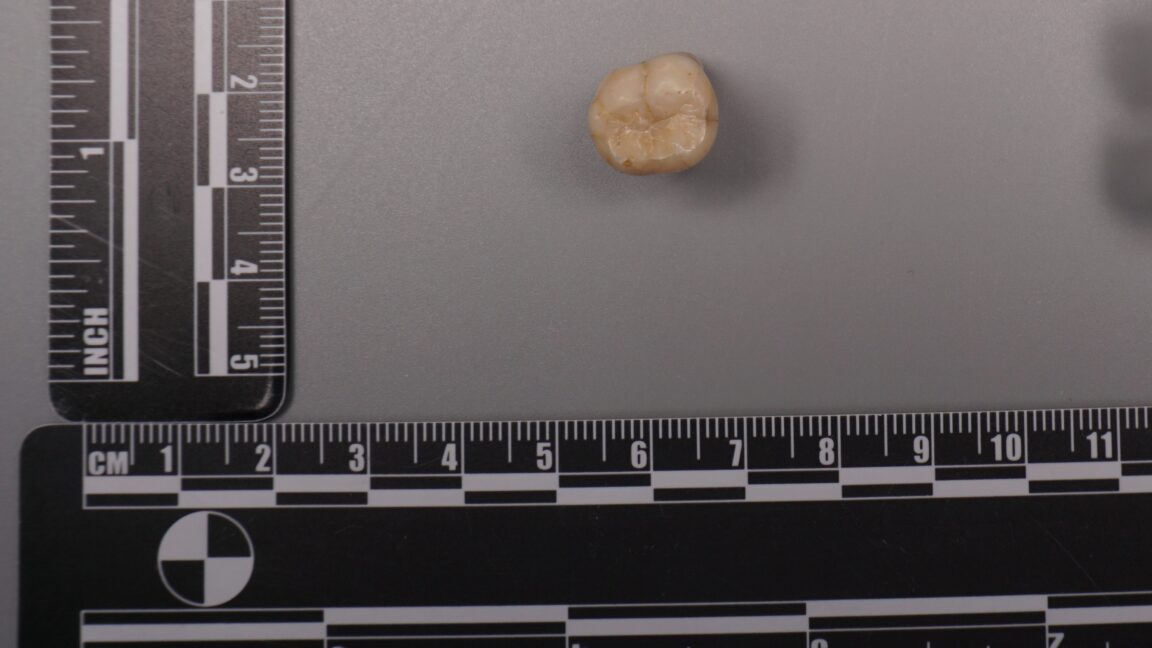
The authors then searched for locations where the ancient sequences differed from the ones found in modern humans. To be confident that the difference was real, the researchers required that it show …
The authors then searched for locations where the ancient sequences differed from the ones found in modern humans. To be confident that the difference was real, the researchers required that it show up in multiple overlapping fragments and in samples analyzed at two different locations. A clear difference They came up with two differences that show up in the Homo erectus proteins, but not in modern humans. Oddly, they’re both in the same protein, called ameloblastin. One of them appears to be completely distinct to Homo erectus , as it isn’t found in any other primate we’ve looked at. But the second has an odd distribution. The Harbin Denisovan that they looked at had one copy of the version found in Homo erectus and another copy that looked the same as the one found in modern humans. The DNA change that causes this protein difference has been found in the genome of other Denisovans. And, in fact, it’s found in the genomes of many modern human populations that include DNA sequences, such as populations found in India and the Philippines. There are two ways to interpret finding one of these two differences in these genomes. The first would be that these two changes are in the same protein, only 20 amino acids apart. That means they’re going to be relatively close together in the genome. As a consequence, the two changes are very likely to be inherited together—if you get one, you’ll get the other. …
Original source: Ars Technica