Lasers shine a new light on the space junk air pollution problem
Space.com ·
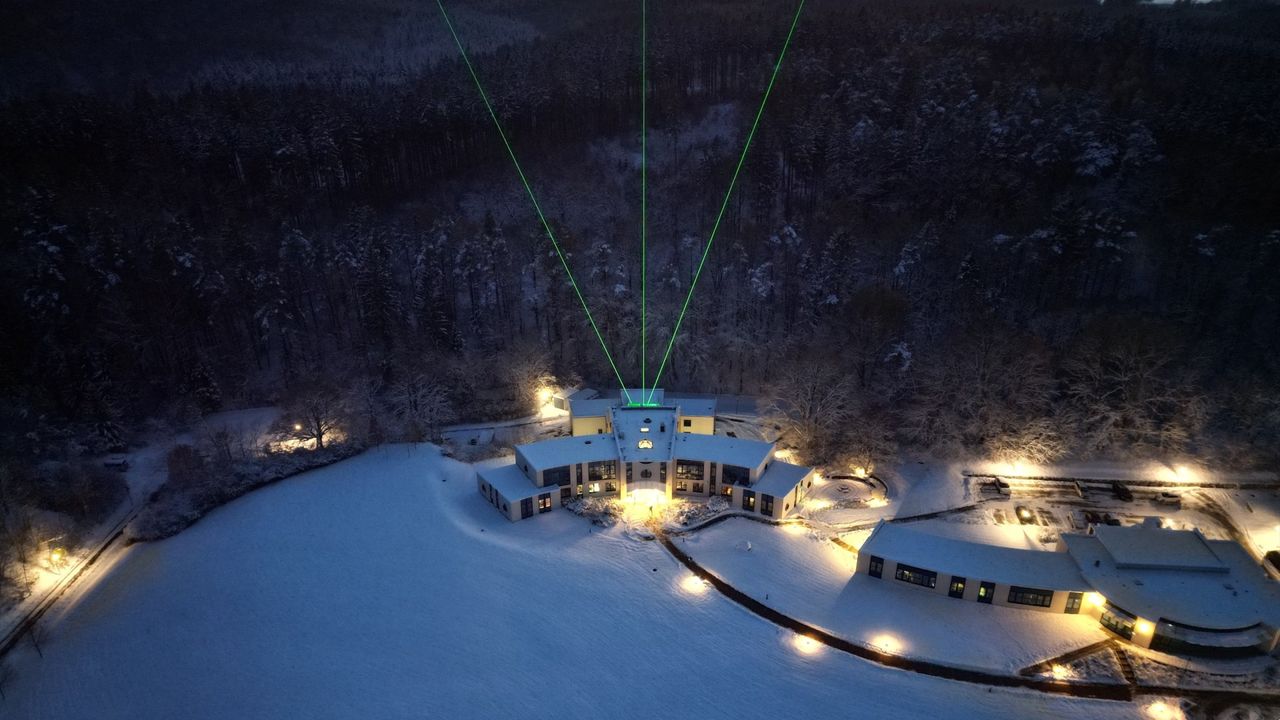
Scientists are using a new technique to study incoming space debris and its effects on Earth's atmosphere. Observational evidence is being gathered that the ablation of space debris can be detected …
Scientists are using a new technique to study incoming space debris and its effects on Earth's atmosphere. Observational evidence is being gathered that the ablation of space debris can be detected by ground-based light detection and ranging (LiDAR), a remote-sensing technology that uses laser beams to measure precise distances and movement in an environment, in real time. Last year, for the first time, a lithium cloud in the upper atmosphere was linked to the reentry of a rocket stage. This event took place on Feb. 19-20, 2025 with the detection of a lithium cloud 10 times higher than is typical. Back-trajectory analysis indicated the lidar-probed air mass originated from a location west of Ireland that coincided with the atmospheric reentry of a SpaceX Falcon 9 upper stage. Anthropogenic impacts "Lithium is a crucial species for investigating anthropogenic impacts on the middle atmosphere because of its extensive use in the space industry," reported Michael Gerding, a scientist in the optical and rocket soundings department of the Leibniz Institute of Atmospheric Physics (IAP) at the University of Rostock in Kühlungsborn, Germany. "Ablation of reentering satellites and rocket stages is expected to become a significant source of metals in the mesosphere , yet systematic observations remain limited so far," Gerding reported at the 2026 European Geosciences Union, which was held May 3-8 in Vienna. …
Original source: Space.com